
Parietaria nummularia
Parietaria nummularia
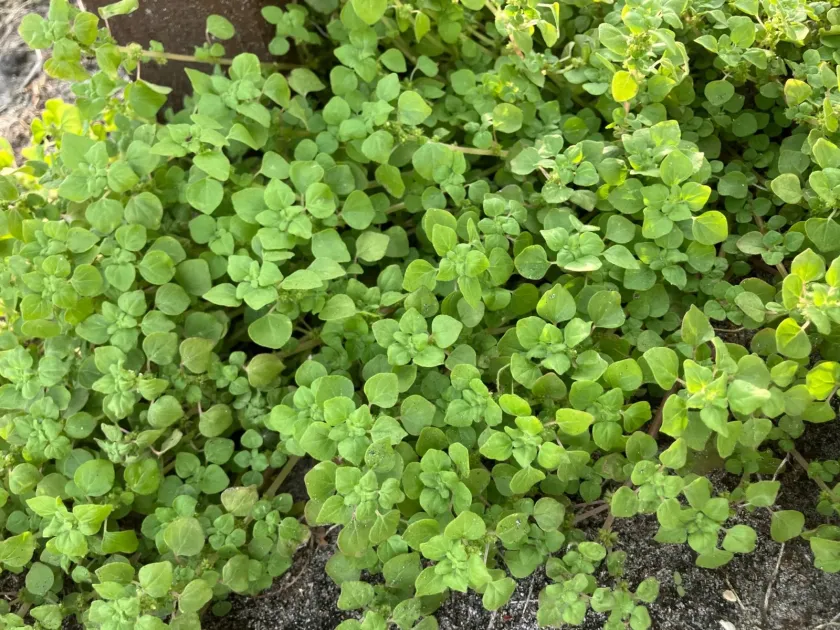
Description
Sowing dates
The planting of Parietaria nummularia is typically performed in early spring once the soil temperature is consistently above 12 degrees Celsius.
Seeds should be distributed evenly on the surface of well-prepared soil, as they require minimal covering to ensure proper germination rates.
Industrial planting often involves row spacing of approximately 40 centimeters to facilitate mechanical weeding and efficient management of the field.
For high-density production, greenhouse starts are recommended to ensure a uniform stand before transplanting into the field after frost risks subside.
Maintaining a consistent moisture level in the topsoil layer is essential during the initial germination phase to support young seedling development.
Growing requirements
As a member of the Urticaceae family, this plant prefers fertile, well-drained loamy soils with a near-neutral pH level for optimal growth.
It thrives in locations with abundant sunlight but can adapt to partial shade in regions experiencing intense heat during summer months.
Proper aeration is vital for root health, necessitating frequent cultivation or hoeing between rows to prevent soil compaction and water stagnation.
The plant requires moderate and consistent watering; drought stress may lead to premature flowering, which reduces the overall quality of vegetative matter.
Climate management is crucial, as the plant performs best in temperate conditions; extreme heat or freezing temperatures should be avoided where possible.
Yield
Yield efficiency is significantly improved by implementing a balanced fertilization program focusing on nitrogen levels during the vegetative growth phase.
Multiple harvesting cycles are possible within a single growing season if plants are managed correctly and allowed to recover after each cut.
On average, the production can reach 2 to 3 tons of dried raw material per hectare under favorable soil and climatic conditions.
Biological regeneration capacity allows the crop to produce new lateral shoots quickly, provided that the root system remains undisturbed.
Yield quality is highly dependent on the stage of harvest, with maximum active substance concentration achieved during the peak flowering period.
Main diseases and pests
Fungal diseases like powdery mildew are the most common threats, typically triggered by high humidity levels or poor air circulation within the canopy.
Pest infestations, particularly aphids and spider mites, can damage the apical parts of the plants, leading to reduced yield and leaf quality.
Integrated pest management, including the use of biological control agents, is effective in maintaining plant health throughout the season.
Strict adherence to crop rotation cycles is required to prevent the buildup of soil-borne pathogens that could impact long-term field productivity.
Routine inspection of the planting area is necessary to detect early signs of stress or infection and to apply corrective measures immediately.
Harvesting
The optimal harvest timing is during full bloom when the concentration of key biochemical compounds is at its highest point for processing.
Mechanical harvesting involves cutting the plants several centimeters above the soil line to ensure quick regrowth and plant longevity.
Immediate drying or processing of harvested material is essential to prevent rapid fermentation and loss of biochemical efficacy in the raw biomass.
Drying should take place in controlled environments at low temperatures to preserve the volatile components and prevent degradation of the plant material.
After reaching the target moisture content, the crop is sorted to remove debris and impurities, ensuring the final product meets standard quality levels.