
Florida pellitory
Parietaria floridana
Description
Growing requirements
Florida pellitory (Parietaria floridana) belongs to the Urticaceae family. It is an annual herbaceous plant widely known for its ability to thrive in shaded and damp environments where other species might struggle.
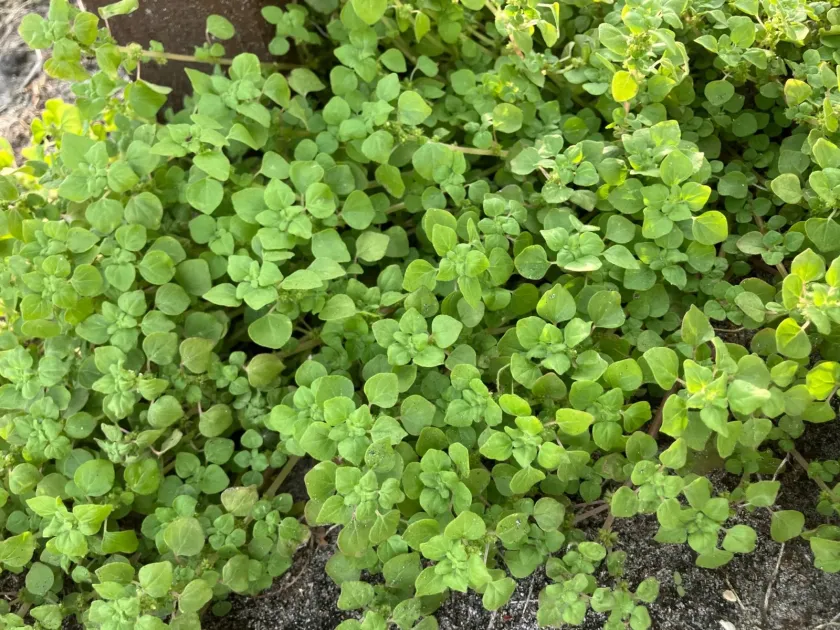
Native to North America, particularly in southern regions, the plant is often identified as a minor weed in horticultural settings. It is characterized by its spreading stems and soft, lanceolate leaves.
The plant thrives in soil conditions that are rich in organic matter and possess high moisture retention capabilities. It is typically found in environments like stone wall gaps, shaded garden borders, and moist meadows.
Climatic requirements involve mild temperatures. While it can withstand various conditions, it remains sensitive to hard frosts and intense, direct sunlight, which inhibits its growth cycle.
Regarding its use, it is generally considered a weed with no significant agricultural cultivation value, though it possesses botanical interest due to its relationship with other common nettle species.
Main diseases and pests
The primary environmental threat to Florida pellitory is severe dehydration. As a plant adapted to moist microclimates, it lacks the mechanisms to survive prolonged drought.
Pathogenic threats include leaf-spot fungi, which can become prevalent in conditions of poor air circulation and high humidity around the base of the plant.
Insect pests such as aphids and spider mites are common, especially when the plant is stressed by environmental factors or crowding.
Competition from more aggressive, drought-tolerant grasses and weeds often displaces Parietaria floridana in open agricultural fields.
Management of this species in commercial crops involves early-stage tillage and the elimination of moist, shaded areas near field edges to disrupt its reproductive cycle.