
Parietaria alsinifolia
Parietaria alsinifolia
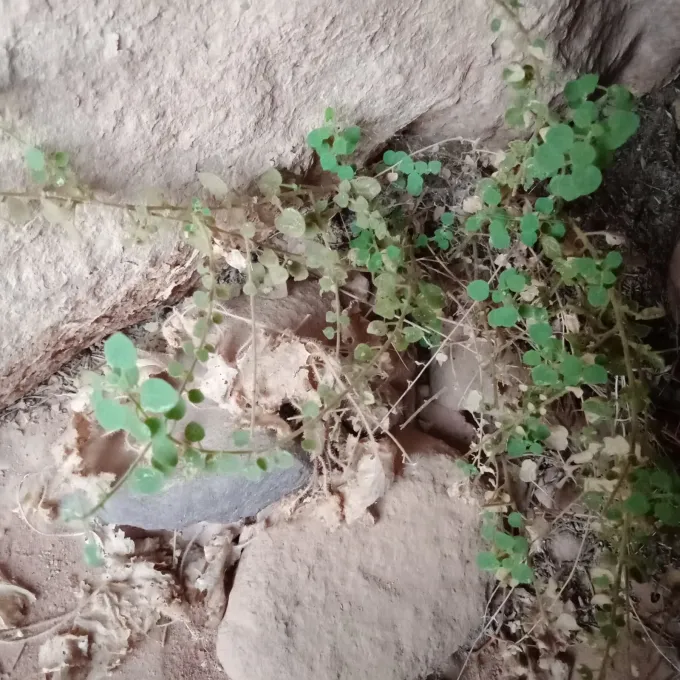
Description
Sowing dates
Parietaria alsinifolia belongs to the Urticaceae family. This annual herbaceous plant is primarily adapted to warm, Mediterranean-like climates where it occupies specific ecological niches in disturbed soils or rocky environments.
The sowing process typically commences in the autumn or early spring, depending on the local regional climate. Seeds require stable temperatures to germinate effectively, and moist soil conditions are essential during the initial establishment phase of the young plants.
When planting, seeds should be sown shallowly into a light, well-draining substrate. Because the seeds are small, they are sensitive to deep burial, which can significantly reduce germination rates and lead to uneven stand establishment across the field.
Spacing during planting is crucial to ensure proper airflow and light penetration. Overcrowding can lead to excessive humidity around the base of the plant, which may trigger fungal growth and negatively impact the overall health of the crop.
Once the seedlings emerge, they develop rapidly. Maintaining consistent soil moisture during the first few weeks is vital for successful cultivation. Once established, the plant shows moderate resilience but still benefits from systematic agricultural attention.
Growing requirements
Parietaria alsinifolia prefers well-drained, sandy-loam soils with a neutral to slightly alkaline pH. It thrives in locations that receive ample sunlight but can tolerate partial shade during the most intense hours of the day in hotter regions.
The species requires a moderate temperature range, typically between 15°C and 25°C. Excessive frost or extreme heat can inhibit its growth, making it important to monitor local weather patterns or utilize greenhouse structures in colder climates.
Water requirements for this crop are relatively low compared to more demanding cultivars. Irrigation should be applied carefully to ensure the root system is hydrated without causing waterlogging, which the plant is highly sensitive to due to its rocky-habitat origins.
Soil aeration is another critical aspect of management. Regular cultivation between rows helps prevent soil compaction and ensures that oxygen reaches the root system, which is vital for the plant to reach its full vegetative potential.
Nutrient management involves applying balanced fertilizers, focusing on nitrogen early in the vegetative stage to encourage foliage development. However, over-fertilization should be avoided to prevent weak, etiolated growth that is more prone to pests.
Main diseases and pests
The primary diseases affecting Parietaria alsinifolia include powdery mildew and root rot. These conditions are usually exacerbated by poor ventilation and high humidity, making the management of the micro-climate around the plants essential for prevention.
Pests such as aphids and spider mites are frequent threats to this plant. They target the tender young leaves, potentially causing curling, discoloration, and significant damage if populations are not controlled early in the season.
Integrated pest management (IPM) strategies are highly recommended. This includes encouraging natural predators, such as ladybugs or parasitic wasps, which can help maintain pest populations below the economic injury level without excessive chemical use.
Sanitation practices, including the removal of infected plant material and the suppression of surrounding weeds, play a significant role in reducing the risk of disease spread. Keeping the area free of alternative host plants is vital for long-term health.
For chemical interventions, it is advised to use selective, environmentally friendly pesticides only when necessary. Always monitor the plants weekly for early signs of stress, yellowing, or abnormal leaf growth to facilitate timely action.