
Parietaria debilis
Parietaria debilis
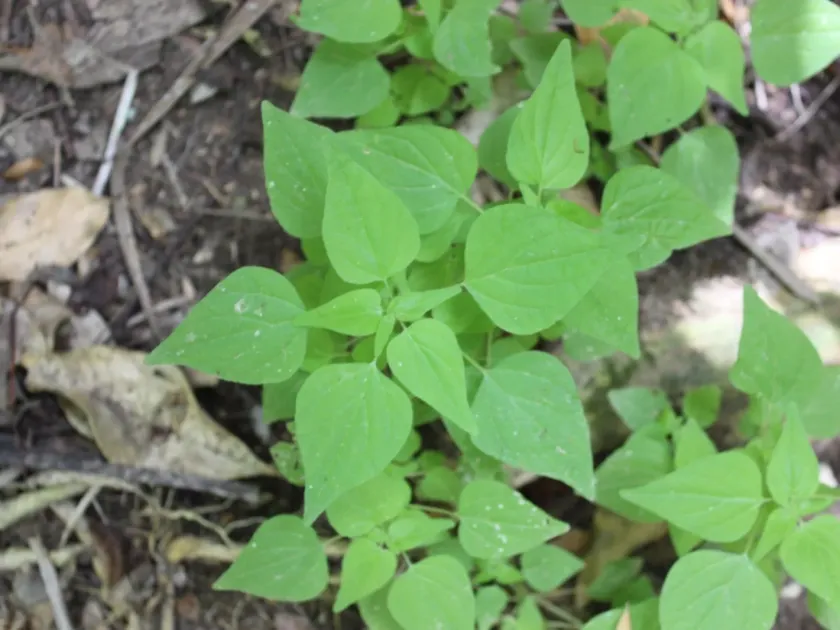
Description
Sowing dates
Parietaria debilis, commonly known as a type of pellitory, follows a growth cycle typically aligned with cool-season moisture availability. Seeds generally germinate during the transition from autumn to winter or early spring when conditions are favorable.
The dormancy mechanisms in Parietaria debilis seeds are highly evolved, allowing them to remain viable in the soil seed bank for extended durations. Germination is often triggered by soil disturbance, which exposes the seeds to light and optimal moisture levels.
As an ephemeral species, the plant completes its life cycle relatively quickly. This rapid development allows it to capitalize on transient environmental conditions before competing species become dominant in the landscape.
Natural sowing occurs via seed dispersal, which can be quite efficient in undisturbed areas. In agricultural settings, however, tillage practices redistribute seeds within the topsoil, often leading to patchy but dense emergence patterns.
Effective management requires monitoring fields during the early stages of emergence. Early intervention, such as shallow cultivation or mechanical weeding, is essential to prevent the plant from becoming a significant competitor in the crop row.
Growing requirements
This species is a member of the Urticaceae (Nettle) family and thrives in fertile, moist, and well-drained soils. It frequently occupies niches with partial shade, which protects it from excessive heat and provides a more stable microclimate.
The plant demonstrates a high level of adaptability to soil texture, ranging from sandy loams to heavier silt-rich soils. However, consistent soil moisture remains the most critical factor for sustained vegetative growth throughout its lifecycle.
Climatic requirements focus on moderate temperatures. The plant is essentially a cool-season annual that struggles under extreme heat or direct, intense solar radiation. It is most productive in environments where moisture is not limiting during the spring months.
Soil fertility, particularly nitrogen availability, significantly influences the biomass production of Parietaria debilis. While it is not an economically valuable crop, its presence serves as an indicator of nutrient-rich soils that may have been previously amended.
Understanding these ecological requirements is vital for agronomic control. By identifying areas of the field with higher moisture or soil fertility, farmers can predict where infestations are likely to occur and target their prevention efforts accordingly.
Main diseases and pests
Agricultural threats to Parietaria debilis include intense competition from canopy-forming crops and the strategic application of chemical herbicides. Systematic herbicides are generally effective in managing this plant when applied at the seedling stage.
Regarding plant health, the species is susceptible to various fungal pathogens, especially powdery mildew, when grown in crowded or poorly ventilated conditions. These pathogens can significantly stunt growth and reduce the plant's overall reproductive success.
Insect pests, particularly aphids, are known to feed on the foliage of Parietaria debilis. Beyond the direct damage caused by sap-feeding, these insects can act as vectors for viruses that may spill over into neighboring crop species, causing broader agricultural issues.
Root-knot nematodes can also pose a threat to the plant's vigor. By damaging the roots, these microscopic pests restrict water and nutrient uptake, making the plant less resilient to environmental stress and decreasing its competitiveness.
Integrated pest management strategies should emphasize the removal of host reservoirs near crop fields. Sanitation of agricultural machinery is also crucial to prevent the spread of seeds and ensure that the field remains free from persistent populations.