
Pennsylvania pellitory
Parietaria pensylvanica
Description
Growing requirements
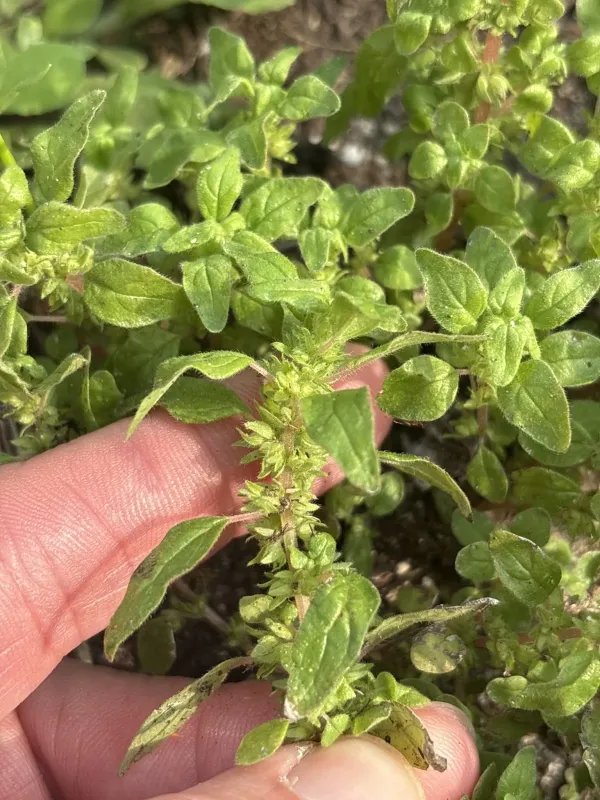
Pennsylvania pellitory (Parietaria pensylvanica) is an annual herb belonging to the Urticaceae family. Unlike many other members of this family, it is non-stinging, making it a unique subject for botanical studies and limited agricultural interest.
The species is native to North America and typically inhabits shaded, moist environments. It is frequently found in woodland margins, riverbanks, and rocky ravines where organic matter content in the soil is high.
Agricultural requirements include well-drained, nutrient-rich soil with a slightly acidic to neutral pH. Providing partial shade is crucial for optimal growth, as the plant does not tolerate prolonged exposure to intense sunlight and high heat.
Cultivation practices focus on maintaining consistent soil moisture levels without causing waterlogging. Irrigation must be managed precisely during the peak growing season to prevent wilting or thermal stress on the foliage.
In terms of land use, it is rarely cultivated as a commercial crop but can be found in wildland restoration or specific ecological projects. Agronomists often focus on its management to prevent it from becoming an invasive weed in sensitive agricultural sectors.
Main diseases and pests
Major threats to Pennsylvania pellitory include fungal pathogens that thrive in high humidity conditions. Root rot and leaf spot are common issues that can significantly impact plant health in poorly ventilated environments.
Pests such as aphids and spider mites are frequent invaders of this species. These pests feed on the sap of the plant, often leading to stunted growth and distorted leaf morphology if left unchecked.
Crop protection strategies rely heavily on maintaining good airflow within the planting area. Ensuring adequate spacing between individual plants reduces the risk of rapid disease spread during humid weather.
Integrated pest management (IPM) is recommended for controlling infestations. This involves regular scouting of the foliage and the application of targeted biological control agents to manage aphid populations.
In cases of severe infestation or infection, selective chemical treatments may be utilized, following strict safety guidelines. However, prevention through appropriate site selection and soil management remains the most effective defense strategy.