
Parietaria judaica
Parietaria judaica
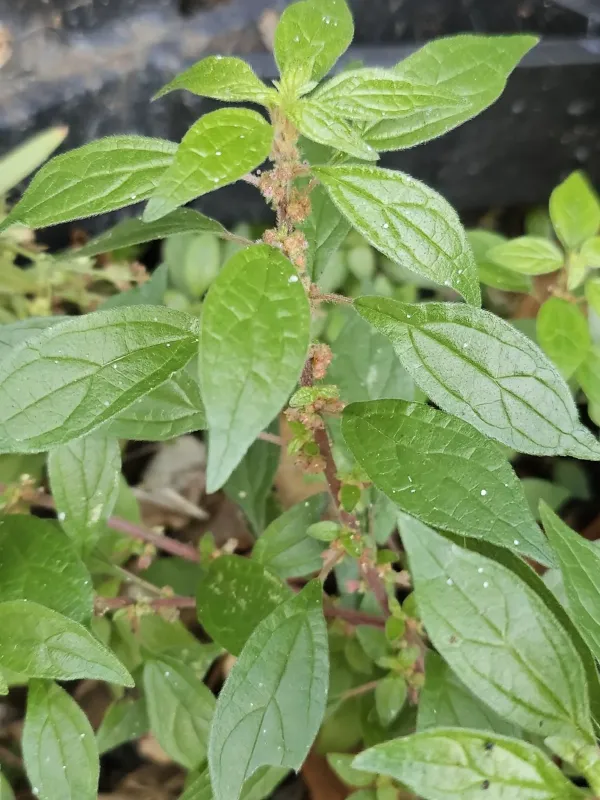
Description
Sowing dates
Parietaria judaica, a member of the Urticaceae family, is commonly known as pellitory-of-the-wall. While often considered a wild herb, its potential for medicinal cultivation requires specific sowing techniques for optimal density and growth.
Sowing should take place in early spring once the threat of frost has passed and soil temperatures have reached at least 12 degrees Celsius. Seeds are small and benefit from a shallow sowing depth of no more than 0.5 cm.
Proper spacing is crucial; row cropping with 45–60 cm gaps allows for mechanical weeding and air circulation. Maintaining moist conditions during the germination period, which typically takes 2–3 weeks, is essential for a successful stand.
The plant exhibits rapid establishment and is capable of colonizing available space quickly. In a farming context, controlling its aggressive nature is vital to ensure it does not spread beyond designated plots into other crops.
Direct seeding into the field is the standard practice, as transplanting can be labor-intensive and may cause unnecessary stress to the young root systems of the Parietaria judaica plants.
Growing requirements
Parietaria judaica thrives in temperate climates with mild winters. It is highly adaptable but shows a preference for wall-like environments, rocky outcrops, or well-drained soils, reflecting its origin in the Mediterranean basin.
Soil requirements are relatively modest, but the plant prefers alkaline or lime-rich soils with a pH ranging from 6.5 to 8.0. Excellent drainage is non-negotiable to prevent root rot in wetter seasons.
The plant is known for its shade tolerance and can flourish in spots where other crops struggle. However, in open field production, it requires protection from extreme direct summer heat and strong winds.
Moderate irrigation is necessary during the peak growth season, particularly in the period before flowering. Water efficiency is high, but prolonged drought conditions can lead to stunted growth and reduced biomass yield.
Soil fertility management should focus on balanced organic amendments. High nitrogen levels, while beneficial for leaf production, can sometimes decrease the concentration of specific secondary metabolites required for pharmaceutical purposes.
Yield
Yield management for Parietaria judaica revolves around maximizing the production of leafy biomass. With proper fertilization and regular harvesting schedules, one can achieve substantial yields of dried raw material.
On average, intensive cultivation can produce up to 5–8 tons of dried herb per hectare per season. Harvesting the green mass twice or three times during the growing season allows for sustained output.
The primary economic value of this crop lies in its pharmaceutical utility, specifically in the production of diuretic and anti-inflammatory extracts. Its biochemical profile is highly sought after for herbal medicinal applications.
Post-harvest processing efficiency is a major factor in the final yield quality. Rapid transportation to drying facilities and careful handling are required to prevent leaf degradation and preserve the active chemical compounds.
Profitability is enhanced by targeting specialized markets, such as herbal supplement manufacturers, where the demand for quality-controlled plant materials remains consistently high throughout the year.
Main diseases and pests
Parietaria judaica is generally a robust plant, but it is not immune to agricultural challenges. Powdery mildew is the most common fungal threat, usually appearing during periods of high humidity and poor air circulation.
Root rot, driven by stagnant water, poses a significant threat in poorly drained soils. Farmers must prioritize site selection with natural or constructed drainage to mitigate this risk effectively.
Aphids can cause damage by feeding on the sap of young shoots, potentially vectoring plant viruses. Biological control methods, such as introducing predatory insects or using plant-based deterrents, are preferred over chemical pesticides.
Slugs and snails may consume seedlings in the early spring, necessitating preventive measures like mulching or physical barriers to protect the young crops from being decimated early in the season.
Implementing a strict crop rotation program is necessary to prevent the buildup of soil-borne pathogens. Avoiding land previously occupied by other Urticaceae family members helps maintain soil health.
Harvesting
Harvesting Parietaria judaica is best timed at the onset of the flowering stage, when the concentration of flavonoids and other active principles is at its peak. This ensures the highest quality medicinal output.
Stems should be cut at approximately 5-10 cm above the ground. This "pruning" approach encourages the plant to regenerate, allowing for multiple harvests within a single growing season.
Immediately after cutting, the raw material must be cleaned of debris and foreign vegetation. This manual or semi-automated cleaning process is vital for meeting pharmaceutical grade standards.
Drying should take place in shaded, well-ventilated structures at temperatures below 45 degrees Celsius. Exceeding this temperature can lead to the volatilization of essential components and loss of product efficacy.
Storage must occur in breathable, moisture-wicking containers to prevent molding. Proper packaging preserves the integrity of the herbs until they are processed into final products for medical or cosmetic use.