
Pellitory-of-the-wall
Parietaria officinalis
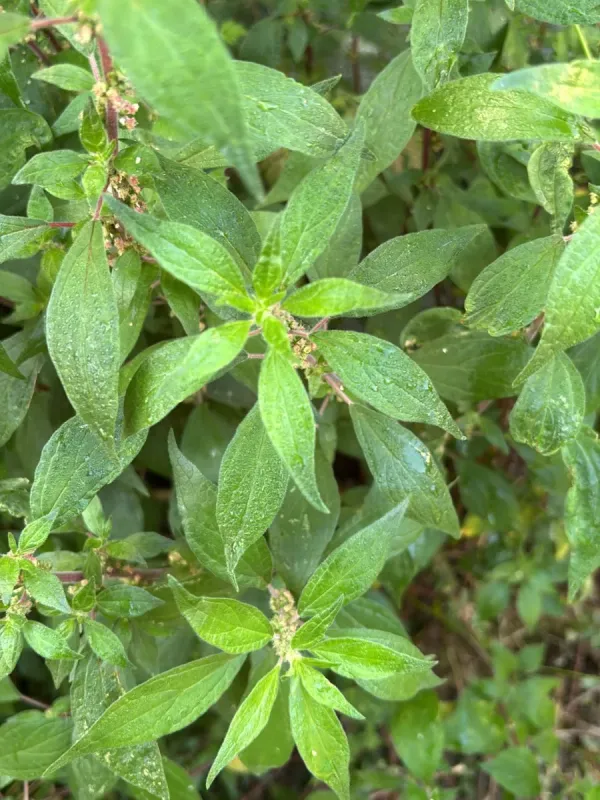
Description
Sowing dates
Parietaria officinalis is a perennial herbaceous plant belonging to the Urticaceae family. Sowing is typically carried out in early spring once the soil temperature has consistently risen.
The seeds require stratification to improve germination rates, so keeping them in a cool, moist environment for several weeks before sowing is highly recommended.
Seeds should be sown shallowly, ideally at a depth of no more than 0.5 to 1 centimeter, as they require light to stimulate successful germination.
Maintain row spacing of approximately 40–50 centimeters to ensure adequate ventilation and ease of weeding throughout the growing cycle.
Thinning out seedlings is a critical step in the early stages; providing enough space between individual plants prevents competition and encourages robust growth.
Growing requirements
This crop thrives in fertile, well-draining soils with a neutral or slightly alkaline pH, often preferring sites with high organic content.
Parietaria is known for its tolerance to partial shade, making it suitable for areas where more sun-dependent crops might struggle to survive.
While the plant appreciates consistent moisture, it is sensitive to waterlogging, which can cause root rot and significantly impact crop vitality.
Ideally, temperatures should remain between 18 and 25 degrees Celsius for optimal vegetative development throughout the primary growing season.
Protection from strong, drying winds is beneficial for maintaining the integrity of the delicate foliage and ensuring high-quality yields.
Yield
Crop productivity is heavily dependent on nutrient management, specifically the application of organic fertilizers that support leafy green growth.
With proper care and environmental conditions, producers can expect multiple harvests within a single growing season.
Establishing a permanent, healthy root system in the first year is key to achieving consistent and high yields in the subsequent years of cultivation.
Yield metrics are maximized when the plant is harvested at the peak of its vegetative cycle, shortly before or during the initial flowering phase.
Regular maintenance, including weeding and keeping the soil loose, significantly improves the overall biomass production per hectare.
Main diseases and pests
Fungal pathogens, such as powdery mildew, represent the primary threat to the crop, especially in humid or poorly ventilated growing conditions.
Pests like aphids and spider mites can colonize the plant, particularly during dry spells, potentially reducing the harvest quality if left unchecked.
Integrated pest management strategies are encouraged to protect the purity of the medicinal product while minimizing the reliance on synthetic chemicals.
Crop rotation and selecting resistant cultivars, where available, serve as effective tools to mitigate the risk of soil-borne diseases.
Monitoring the undersides of leaves for early signs of infestations allows for quick intervention, protecting the overall health of the plantation.
Harvesting
Harvesting should coincide with the peak flowering period to ensure the highest concentration of phytochemicals in the harvested plant material.
Plants are cut manually or with specialized machinery, leaving a sufficient portion of the stem base to allow for rapid plant regeneration.
Prompt post-harvest processing is vital; material must be moved to a clean, shaded, and well-ventilated area for drying to prevent degradation.
Drying should take place at moderate temperatures to ensure the preservation of the plant's essential oils and medicinal compounds.
Once fully dried, the product should be inspected for purity, cleared of debris, and stored in a cool, dry place away from direct sunlight.