
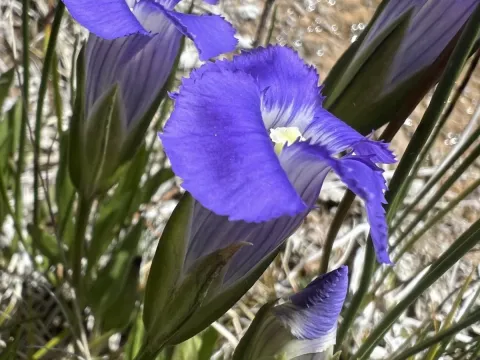
Gentianopsis
Gentianopsis
Sowing Gentianopsis requires cold stratification, as the seeds are dormant and need a period of low temperatures to germinate effectively. In natural habitats, this happens during the winter season.
What the section contains


Gentianopsis
Gardeners should sow the seeds in late autumn, either directly into prepared garden beds or into pots kept in an unheated greenhouse. This mimics the natural cycle required for seed activation.
If indoor sowing is necessary, keep the sown containers at temperatures between 0–5 degrees Celsius for about 8 to 12 weeks before moving them to a warmer area with bright, indirect light.
Seeds are tiny and should be surface-sown on a moist, fine-textured substrate. Do not cover them deeply with soil, as they often require light to stimulate the germination process.
After germination, keep the seedlings in a well-ventilated area with consistent moisture. Avoid direct scorching sunlight until the plants have developed their first true leaves and are strong enough.
Gentianopsis, belonging to the Gentianaceae family, thrives in cool and moist environmental conditions. It prefers a soil that is rich in organic matter but well-drained to prevent waterlogging.
The plant performs best in locations that receive full sun for at least half of the day, provided that the soil moisture levels are maintained throughout the growing season.
Soil pH should be neutral to slightly alkaline for most species. It is recommended to perform a soil test before planting to ensure the site meets the specific needs of the genus.
Water management is critical. The roots are sensitive to both drought and prolonged saturation, necessitating a delicate balance to keep the growing medium damp but not swampy.
Adding a light mulch can help regulate soil temperature and moisture levels, protecting the shallow root system from sudden fluctuations in the summer heat.
Fungal diseases, including root rot and powdery mildew, are the primary threats to Gentianopsis, often triggered by poor air circulation and excessive humidity around the foliage.
Pests such as aphids and spider mites frequently target the tender shoots and undersides of the leaves. These infestations can rapidly reduce the plant's vigor if left untreated.
In wet climates, slugs and snails can cause significant damage to the plant, particularly to young seedlings that have recently been transplanted to the garden.
To mitigate these risks, it is essential to maintain proper spacing between plants and avoid overhead watering, which promotes the growth of harmful pathogens on the leaves.
If infestations occur, integrated pest management strategies should be employed, favoring eco-friendly soaps or neem oil to minimize damage to the surrounding ecosystem.
Gentianopsis is valued for its aesthetic appeal, and harvest in the traditional sense focuses on seed collection rather than commercial crop production for consumption.
Seed pods should be collected when they turn dry and brown but before they split open and release their contents. This usually happens in late summer or early autumn.
Collected seeds must be stored in a cool, dry place to maintain viability. Proper cleaning and removal of debris are necessary to prevent the spread of mold during storage.
The plant’s lifecycle is seasonal, and the foliage will naturally wither after the plant has completed its reproductive stage, signaling the end of the maintenance season.
Professional gardeners often monitor flowering periods closely to ensure optimal seed maturity and to appreciate the high aesthetic value these plants bring to alpine landscapes.