
Gentianopsis barbata
Gentianopsis barbata
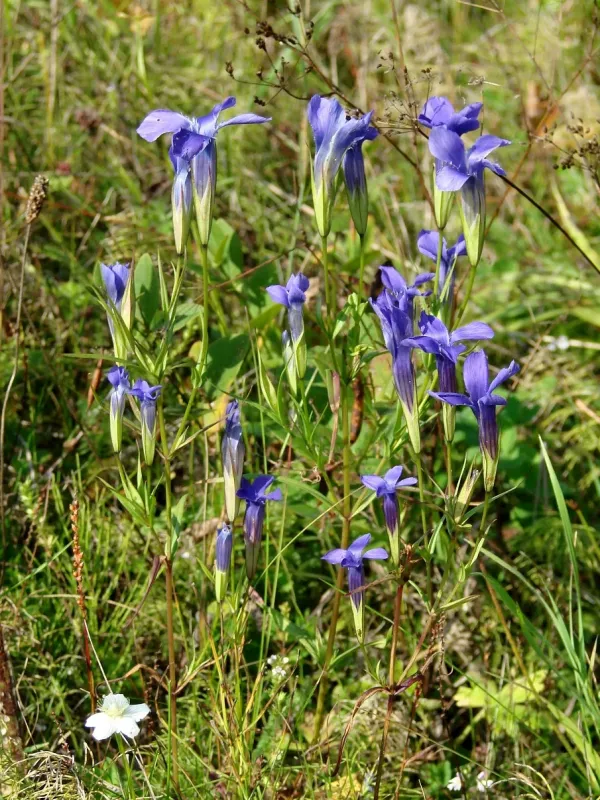
Description
Sowing dates
The optimal sowing time for this species is late autumn to ensure seeds undergo natural winter stratification. Without this cold cycle, the germination rate decreases significantly, leading to poor crop establishment in the following spring.
Seeds are extremely small and should be sown on the surface of the soil. Broadcasting them mixed with fine sand helps ensure even distribution across the plot, minimizing the risk of dense clusters that could impede individual growth.
The seedbed should be prepared by clearing existing vegetation and lightly raking the soil surface. After sowing, applying light pressure to the surface is sufficient to secure the seeds; deep burial is not recommended as it prevents germination.
Spring management involves consistent moisture levels, as seedlings are particularly vulnerable to drought during their initial growth phase. A fine mist irrigation system is preferred to prevent soil erosion around the delicate root zones.
Thinning should be performed once the plants reach the two-leaf stage to ensure adequate spacing. Maintaining proper air circulation between plants is vital to prevent fungal pathogens, which thrive in humid and crowded conditions.
Growing requirements
Gentianopsis barbata, commonly known as the bearded gentian, belongs to the Gentianaceae family. It is a biennial or annual herbaceous plant typically found in northern temperate regions, thriving in calcareous wet meadows and mossy habitats.
The crop requires moist, well-drained soil with a neutral to alkaline pH. Good soil structure is essential, as the plant relies on a taproot that is highly sensitive to waterlogging, requiring a balanced moisture regime throughout the growing season.
Exposure to full sunlight is necessary for optimal development. The plant is non-competitive and struggles to thrive when crowded by other invasive species; therefore, weed management and site selection are critical for its survival in a field setting.
The climate requirements include a preference for cool environments with high temperature fluctuations, which the plant manages well due to its native habitat. It is hardy and can withstand freezing winter temperatures, provided the soil drainage remains intact.
Economically, Gentianopsis barbata is recognized for its decorative appeal and traditional botanical value. While not a large-scale agricultural crop, its potential for specialized ornamental use and experimental cultivation for phytochemical research remains significant.