
Comptonia
Comptonia LʼHér.
Comptonia (Comptonia LʼHér.) is a unique genus of deciduous shrubs belonging to the Myricaceae family. It is native to eastern North America, where it typically thrives in poor, sandy, and acidic soils found in open woodlands and coastal areas.
What the section contains

Comptonia
One of the key agronomic features of this culture is its ability to fix atmospheric nitrogen through a symbiotic relationship with Frankia bacteria. This trait allows the shrub to colonize degraded landscapes and thrive in conditions where nutrient levels are too low for most conventional crops.
The plant requires well-drained, acidic soil to flourish; it is highly intolerant of waterlogged conditions, which can lead to root system failure. Full sun exposure is preferred to ensure optimal leaf development and the production of aromatic essential oils that define its commercial value.
Regarding climate, the plant is hardy and adapted to a wide range of temperatures. It performs best in temperate climates where the seasonal cycle supports its deciduous nature, and it has demonstrated resilience against fluctuating environmental stress factors.
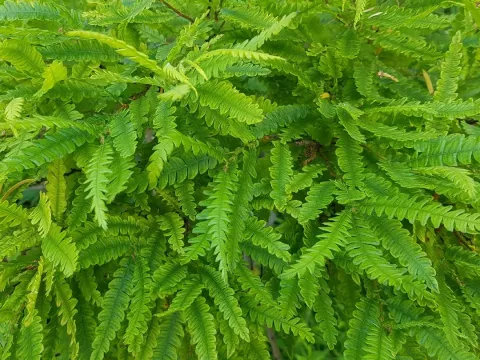
Botanically, Comptonia is known for its fern-like, deeply pinnatifid leaves. These structures are covered in glands that release a distinct, pleasant fragrance, making the foliage highly valued for aromatic oil extraction and traditional herbal medicine practices.
Comptonia is generally considered to be a robust plant with few serious disease problems under proper cultural conditions. Most health issues arise from improper soil aeration or site selection that leads to the accumulation of excess water around the roots.
Pest pressure is relatively low due to the presence of secondary metabolites that act as natural repellents. However, in certain conditions, sap-sucking insects like aphids may occasionally colonize tender new shoots, though they rarely cause significant economic damage.
Fungal diseases, such as leaf spots, may appear if air circulation is inadequate. Maintaining proper spacing between plants is an effective management strategy to ensure that foliage dries quickly after rainfall, thereby reducing the risk of fungal proliferation.
Invasive weed management is the primary challenge during the establishment phase. Because young Comptonia plants can be slow to grow, they must be protected from aggressive weeds that compete for sunlight and nutrients during the first two years of development.
Overall, the plant is a low-maintenance species. By providing a site with excellent drainage and adequate light, the need for chemical intervention is minimized, positioning it as an ideal candidate for low-input agricultural systems.