
Sweet fern
Comptonia peregrina (L.) J. M. Coult.
Description
Growing requirements
Sweet fern (Comptonia peregrina) is a distinct deciduous shrub belonging to the Myricaceae family. Native to eastern North America, this plant is well-adapted to rocky, sandy, and acidic soils, often colonizing disturbed habitats and dry slopes.
The plant is highly valued in environmental horticulture for its ability to fix atmospheric nitrogen. This symbiotic relationship with soil bacteria allows Comptonia to thrive in nutrient-poor environments, making it an excellent candidate for land reclamation and soil stabilization projects.
In terms of agricultural requirements, the species demands full sun exposure to maintain its characteristic compact form and rich foliage color. It requires acidic soil conditions; neutral or alkaline soils should be avoided to prevent nutrient deficiency and subsequent plant chlorosis.
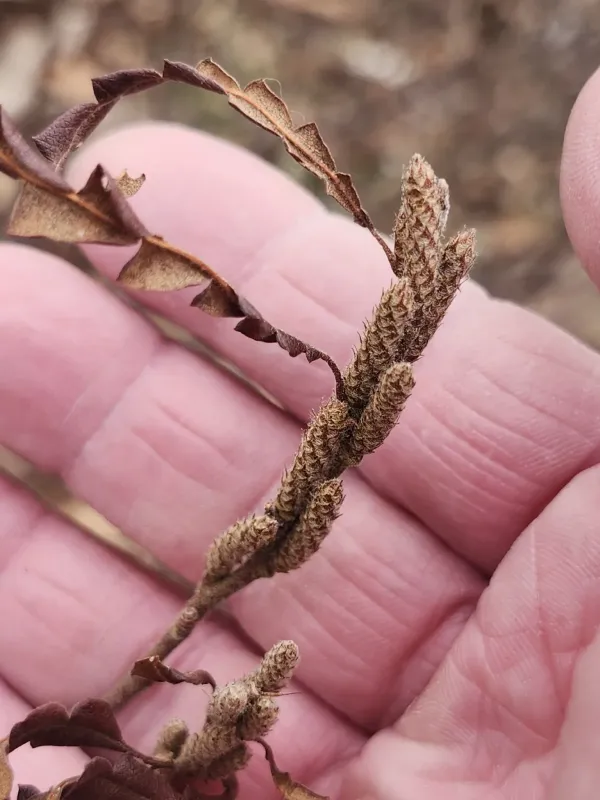
Botanically, the species is defined by its fern-like, deeply lobed leaves which release a sweet, resinous fragrance when bruised or crushed. The shrub typically spreads via underground rhizomes, allowing it to form dense, low-growing colonies that are effective for ground cover.
Economically, Sweet fern is primarily utilized for landscape design, xeriscaping, and as a natural source of volatile oils. Its drought tolerance after establishment makes it a low-maintenance choice for sustainable and native plant gardens.
Main diseases and pests
Sweet fern is generally resilient, but it is susceptible to specific environmental stresses. Excessive moisture in the root zone is the most common cause of decline, as it promotes the development of soil-borne fungi and pathogenic root rot.
Foliar diseases, including various rust fungi, can occur when air circulation is poor or humidity levels remain persistently high. Providing adequate spacing between plants is essential to mitigate these biological threats in intensive cultivation.
Insect pests are rarely a major issue for established stands. However, young, tender foliage may occasionally be damaged by aphids or spider mites, especially in nursery settings where stress factors are higher than in the wild.
Chemical control is generally discouraged in native plant cultivation. Integrated pest management should focus on cultural practices, such as maintaining correct soil pH and ensuring optimal drainage to foster overall plant vigor.
Monitoring for signs of chlorosis is a key part of maintaining healthy stands. If the foliage begins to yellow while veins remain green, the soil acidity likely requires adjustment using organic soil amendments like peat or sulfur.