
Myrica kandtiana
Myrica kandtiana
Description
Growing requirements
Myrica kandtiana is an evergreen woody shrub belonging to the Myricaceae family. It is natively found in the high-altitude mountainous regions of East Africa, thriving primarily in countries such as Rwanda and the Democratic Republic of Congo.
This species requires well-drained, acidic soil conditions to perform optimally. Its natural habitat is characterized by high humidity levels and tropical mountain climates, which provide consistent moisture throughout the growing season.
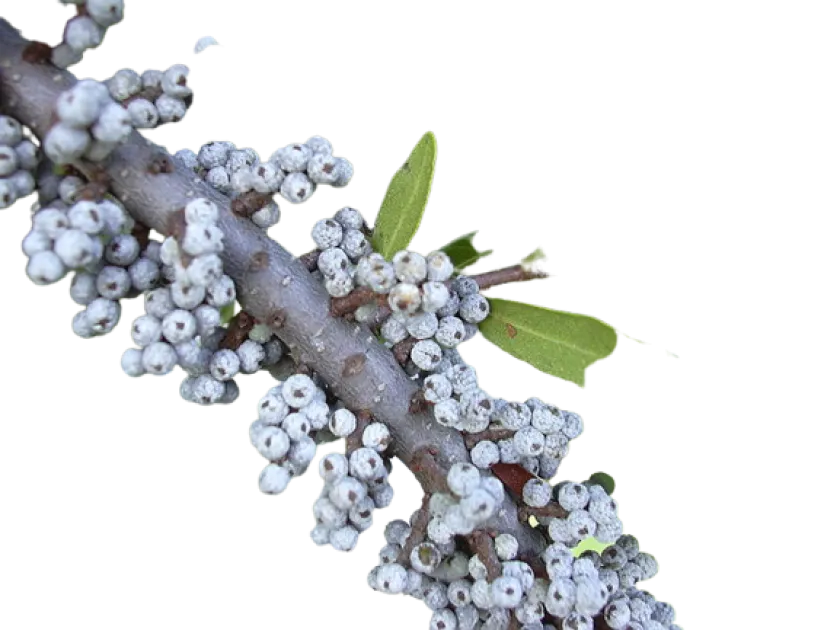
Botanically, the plant is noted for its aromatic leaves covered in glands. A significant biological trait of this species is its ability to fix atmospheric nitrogen via a symbiotic relationship with soil microbes, which enhances soil nutrient profiles.
Regarding climate, the plant prefers stable temperatures and avoids extreme heat or frost. It is particularly well-adapted to high-rainfall areas, where its deep root system can efficiently extract nutrients from the mineral-rich tropical soils.
In terms of economic value, the plant is primarily harvested for the wax contained within its drupes, which finds applications in candle manufacturing and the cosmetic industry. Additionally, it serves as a valuable plant for ecological restoration projects.
Main diseases and pests
Fungal diseases are the primary threat to Myrica kandtiana, particularly during prolonged periods of high humidity. Common issues include various types of leaf spot and fungal blight that can affect foliage density.
Pests such as aphids and leaf-eating beetles frequently target new growth, causing stunted development. Integrated pest management strategies are often required to maintain plant vigor throughout the growing cycle.
Root rot, induced by waterlogging or poor drainage, represents a significant risk to the plant's long-term health. Ensuring proper site selection with excellent drainage is crucial to preventing fatal infections.
Viral pathogens may result in leaf chlorosis and reduced metabolic activity within the plant. As these diseases are often incurable, the selection of resistant cultivars and virus-free propagation material is of primary importance.
Soil-borne nematodes can damage the root system, weakening the plant's ability to absorb water and nutrients. Proper monitoring and soil management are essential practices for successful cultivation in infested areas.