
Northern bayberry
Myrica caroliniensis
Description
Growing requirements
The Northern bayberry (Myrica caroliniensis) is a perennial deciduous or semi-evergreen shrub belonging to the Myricaceae family. It is native to the eastern coastal regions of North America, where it thrives in diverse environments ranging from wetlands to dunes.
A key botanical feature of this species is its ability to host nitrogen-fixing actinobacteria in its roots. This symbiotic relationship enables the shrub to flourish in nutrient-poor and sandy soils that would otherwise be unsuitable for most agricultural crops.
For successful cultivation, the plant requires full sun to partial shade and consistent moisture. Although it is highly adaptable, it performs best in acidic soils. It is well-known for its winter hardiness and its ability to withstand salty coastal winds.
Agrotechnical practices focus on soil management and site selection. Providing adequate drainage is essential, as the plant does not tolerate standing water for extended periods, despite its preference for humid conditions.
The plant has significant economic value, primarily for its fruit. These berries are covered in a thin layer of aromatic wax, which has been historically harvested to produce bayberry candles, soaps, and traditional medicinal extracts.
Main diseases and pests
The Northern bayberry is generally considered resistant to most pests due to the high concentration of volatile oils in its foliage. These chemical compounds serve as a natural defense mechanism against herbivorous insects.
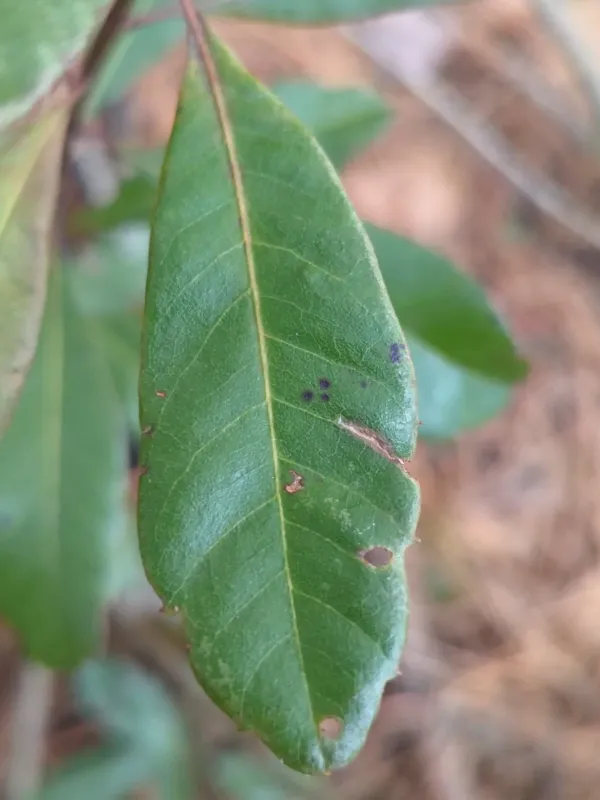
However, environmental stress can weaken the shrub. Poor air circulation in dense plantings may lead to outbreaks of powdery mildew or various leaf spot diseases, especially during seasons with high precipitation.
Soil quality remains the main limiting factor. Alkaline soils cause iron deficiency, leading to severe chlorosis. Maintaining an acidic soil environment is crucial to ensure vibrant growth and proper foliage development.
If pest control is necessary, integrated pest management practices should be followed. Manual removal of infected branches is often sufficient to control minor outbreaks without the need for synthetic chemicals.
Monitoring the plant health involves checking for signs of stress at the foliage level. Healthy, well-nourished specimens are highly resilient and rarely require intensive interventions to maintain their productivity and aesthetic appeal.