
Myrica hartwegii
Myrica hartwegii
Description
Growing requirements
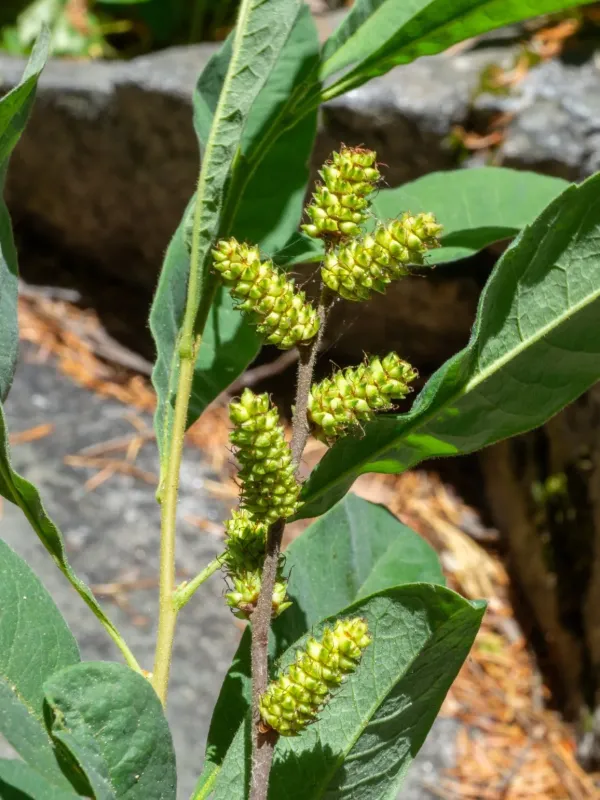
Myrica hartwegii, commonly known as Sierra sweet bay, is a deciduous shrub belonging to the Myricaceae family. It is native to the mountain regions of California, where it thrives in moist, cool conditions.
This species requires well-draining soil with a slightly acidic to neutral pH level. It performs best in areas where moisture is consistent, reflecting its natural habitat along stream banks and damp forest edges.
Regarding light requirements, Myrica hartwegii thrives in full sun but benefits from light shade in regions with extremely high summer temperatures. Adequate light exposure is critical for maintaining the dense foliage characteristic of the species.
The plant is noted for its nitrogen-fixing capabilities, forming a symbiotic relationship with soil bacteria. This biological adaptation allows it to flourish in nutrient-poor soils, making it an excellent candidate for ecological restoration projects.
Temperature tolerance is a key factor in its distribution. It is hardy enough to survive seasonal drops, though young specimens should be protected from harsh, drying winds and deep frosts during their establishment period.
Yield
The primary economic use of Myrica hartwegii is in the ornamental plant market. Its aromatic foliage and elegant structure make it a sought-after choice for native plant gardens and public landscaping.
In terms of ecological yield, the plant contributes significantly to soil stabilization and fertility improvement. Its root system helps prevent erosion on sloping terrains while naturally enriching the surrounding soil with nitrogen.
Small-scale harvesting of aromatic leaves is performed by enthusiasts and botanical producers. These leaves contain volatile oils that are being investigated for potential applications in natural cosmetics and fragrances.
Production cycles in nurseries are relatively long, as the shrub grows slowly in its early stages. Successful propagation is typically achieved through vegetative cuttings or seeds requiring stratification.
Management of the shrub for maximum foliage production involves regular pruning. This practice encourages denser growth and increases the annual yield of vegetative biomass for those interested in its essential oil profile.
Main diseases and pests
Like many species in the Myricaceae family, Myrica hartwegii is susceptible to root rot if placed in poorly drained or waterlogged soils. Ensuring a proper drainage layer is essential for long-term health.
Pests such as aphids and spider mites can occasionally affect the shrub, particularly during dry seasons. Integrated pest management using natural predators or horticultural soaps is the recommended control method.
Fungal pathogens may occasionally cause leaf spotting if humidity remains high for extended periods. Pruning the plant to allow better airflow is a simple yet effective preventative measure against such issues.
Nutrient imbalance caused by excessive nitrogen fertilization can disrupt the plant's natural nitrogen-fixing efficiency. It is better to rely on organic mulch and natural soil processes to sustain the shrub.
Climate change and prolonged drought periods pose a significant threat to its natural populations. Gardeners must ensure consistent irrigation during extreme weather to maintain the plant's natural immune response.