
Box myrtle
Myrica esculenta
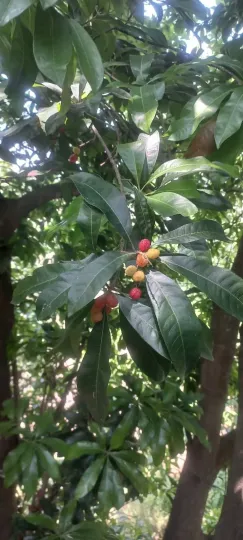
Description
Growing requirements
Box myrtle (Myrica esculenta) belongs to the Myricaceae family. It is a robust evergreen tree or shrub natively found in the Himalayan region and parts of Southeast Asia, thriving at moderate altitudes.
This crop requires a subtropical climate with consistent moisture levels and well-drained, nutrient-rich soil to reach its full productive potential in an agricultural setting.
The plant demonstrates a preference for slightly acidic soil conditions and requires a position that provides adequate sunlight for optimal fruit development and flavor intensity.
Agricultural management involves meticulous pruning to maintain a manageable tree height and to encourage vigorous branching for better fruit sets during the season.
Beyond its culinary appeal, the tree holds significant economic value as its bark is utilized in various industries and traditional medicine for its rich tannin content.
Main diseases and pests
Fungal diseases represent a primary threat to Box myrtle orchards, particularly in regions where humidity levels remain consistently high throughout the year.
Root rot is a major physiological challenge caused by waterlogging, which necessitates careful site selection and the installation of effective drainage systems.
Pests such as scale insects and various leaf-feeding larvae can impede growth and reduce the overall aesthetic and nutritional quality of the fruit crop.
Integrated pest management strategies are essential, focusing on promoting natural predators and utilizing cultural controls to maintain a healthy and productive plantation.
Regular inspection of the foliage and stems helps in early detection of outbreaks, allowing for targeted intervention before the damage significantly impacts the annual yield.