
Mullein
Celsia
Description
Growing requirements
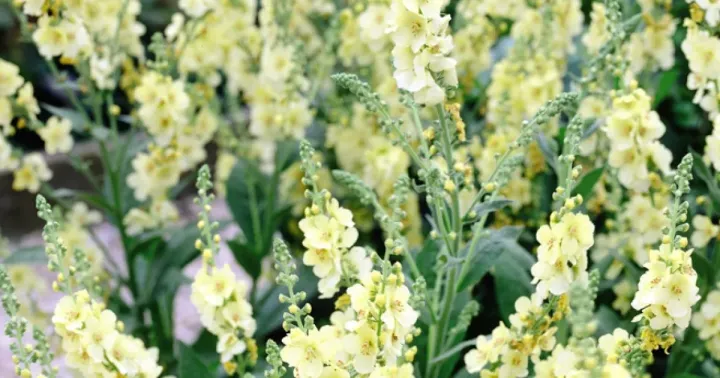
The genus Celsia, currently classified under the genus Verbascum (Mullein) and belonging to the Scrophulariaceae family, is known for its tall, upright habit and distinctive foliage. These plants are primarily biennial or perennial.
Originating from the Mediterranean and temperate zones of Asia, these plants are highly adapted to environmental stress. They thrive in open, sunny locations where full exposure to direct sunlight is guaranteed throughout the day.
Soil requirements focus on excellent drainage. They are typically found in dry, rocky, or sandy soils where other crops might struggle. High organic content in the soil is not strictly required and may even be detrimental if it retains too much moisture.
The agronomic profile of this plant highlights its impressive drought tolerance. Once the root system is established, the plant can sustain long periods without irrigation, making it a low-input crop suitable for arid regions.
Proper spacing is crucial for cultivation. As the plants form large basal rosettes, maintaining a distance of at least 40 cm between individual plants ensures healthy airflow and helps prevent the development of foliage diseases.
Main diseases and pests
Powdery mildew is the primary concern for this crop, typically manifesting as a white, dusty coating on the leaves. It is largely associated with poor ventilation and high humidity levels around the foliage.
Pests such as aphids may occasionally colonize the flower spikes. While these infestations are rarely lethal to the plant, they can reduce the quality of the blossoms used for harvesting and processing.
Caterpillars, including various noctuid species, can cause significant defoliation during the growing season. Hand-picking or the use of mild botanical insecticides are effective control measures.
Root rot is almost exclusively caused by waterlogged soil conditions. Ensuring the site is well-drained and selecting sloped terrain can prevent this condition entirely in most agricultural settings.
Sanitation practices, such as removing debris and spent flowers, significantly reduce the incidence of both fungal pathogens and pest populations within the crop field.