
Myrica quercifolia
Myrica quercifolia
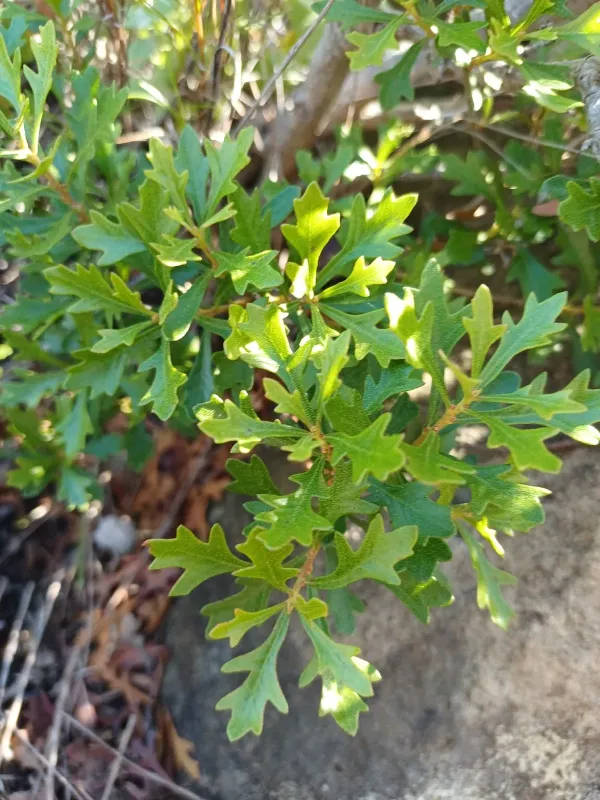
Description
Growing requirements
Myrica quercifolia, commonly known as the oak-leaved bayberry, belongs to the Myricaceae family. Native to South Africa, this evergreen shrub is known for its distinct foliage that closely mimics the shape of oak leaves.
This species is highly adapted to sandy, nutrient-poor coastal soils. Its biological success in the wild is largely due to its symbiotic relationship with nitrogen-fixing bacteria, which helps it thrive in challenging environmental conditions.
Cultivation requires full sun exposure and well-draining soil. While it is remarkably drought-tolerant once established, providing consistent moisture during the early growth stages is essential for developing a strong root system.
The plant performs best in slightly acidic to neutral soil types. It is not suitable for heavy clay soils where drainage is poor, as the root system is prone to hypoxia and subsequent rot if waterlogged.
Climate requirements include protection from severe frost. In temperate zones, it is typically managed as a container plant or grown in sheltered microclimates to ensure consistent year-round health.
Main diseases and pests
The most common threat to Myrica quercifolia is root rot, triggered by overwatering or soil compaction. Maintaining proper air circulation around the root zone is a critical preventive measure.
Pests such as spider mites and scale insects may infest the foliage, particularly in greenhouse conditions or during periods of low humidity. Vigilant scouting is recommended to catch infestations before they spread.
Fungal leaf spot diseases can occur during humid and stagnant air conditions. Improving spacing between plants is an effective cultural control method to reduce the humidity around the leaf canopy.
Sanitation practices, including the removal of dead wood and leaf litter from under the canopy, play a vital role in preventing the buildup of pathogens that could lead to systemic infection.
In case of pest outbreak, use of neem oil or insecticidal soaps is often sufficient for minor cases, avoiding the need for harsh synthetic chemicals.