
Myrica pubescens
Myrica pubescens
Description
Growing requirements
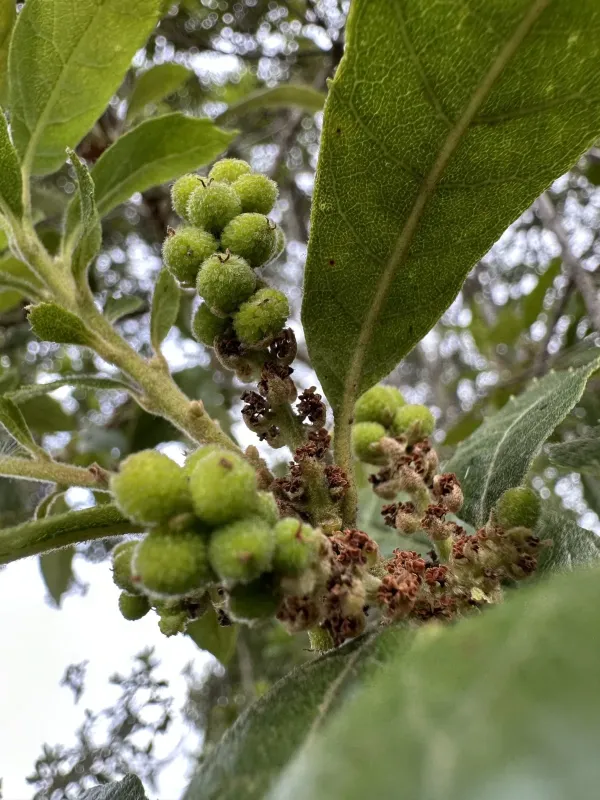
Myrica pubescens, commonly known as a type of wax myrtle, is a robust evergreen shrub belonging to the Myricaceae family. It is native to the high-altitude regions of the Andes, thriving in environments that range from Colombia to Bolivia. This species is highly valued for its ability to produce a waxy substance on the surface of its small fruits.
Botanically, the plant is characterized by its coriaceous leaves and the presence of glandular hairs that facilitate wax secretion. A significant biological feature is its symbiotic relationship with nitrogen-fixing actinomycetes, which enables the plant to colonize nutrient-poor soils effectively. The plant maintains a compact habit, making it suitable for managed agroforestry systems.
The cultivation of Myrica pubescens requires acidic, well-draining soils rich in organic matter. The crop demands a consistent moisture regime and thrives best in temperate, humid climates typical of high-altitude zones. Exposure to strong, direct winds or prolonged drought can significantly inhibit growth and fruit development.
Agricultural management involves regular mulching to preserve soil moisture and stabilize root temperatures. While the plant is hardy, it requires careful monitoring of soil acidity, as deviations from the optimal pH range can interfere with nutrient uptake. Pruning is recommended to encourage branching and improve overall crop accessibility during the harvest period.
The primary economic use of this plant is the extraction of berry wax. This renewable resource is harvested through boiling, where the wax separates from the fruits and rises to the water's surface. The wax is utilized extensively in the candle-making industry, cosmetics, and various industrial applications for its unique texture and protective properties.
Main diseases and pests
The most significant threats to Myrica pubescens are root-borne fungal diseases, often triggered by waterlogged conditions and poor soil drainage. Pathogens such as Phytophthora can compromise the root system, leading to rapid decline. Maintaining proper drainage and avoiding excessive irrigation are critical preventive measures.
Pest pressures include various sap-sucking insects and leaf-miners that can weaken the plant's vigor. Integrated pest management strategies, focusing on biological controls and regular monitoring of foliage health, are recommended to maintain high yields and ensure the longevity of the shrubbery.
Harvesting
Harvesting Myrica pubescens requires precision to ensure the high-quality wax coating remains intact. The berries are typically gathered manually when fully mature and coated in a visible white, waxy layer. Post-harvest, the berries must be handled gently to prevent the premature removal of the valuable waxy exterior before processing.