
Myrica pilulifera
Myrica pilulifera
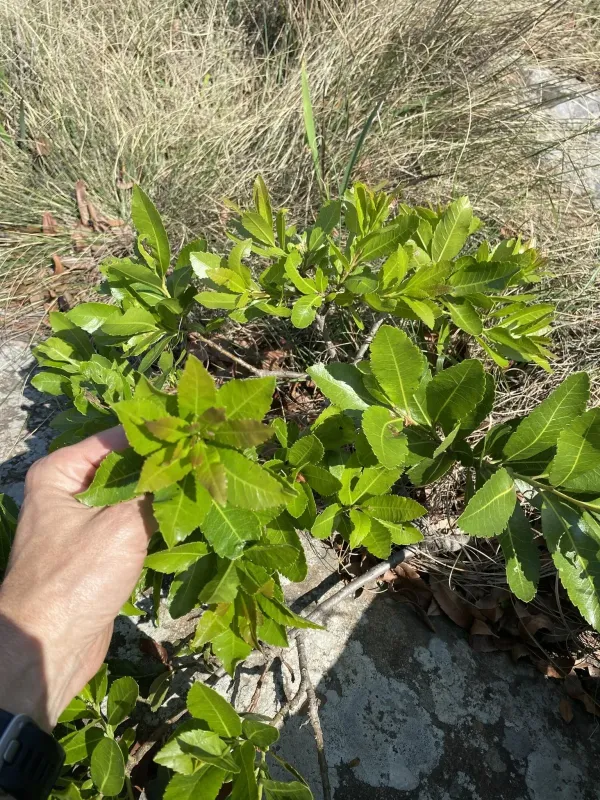
Description
Growing requirements
Myrica pilulifera is a member of the Myricaceae family, widely recognized for its botanical uniqueness in its native African habitats. This evergreen shrub or small tree serves as a vital component of local ecosystems, characterized by its dense foliage and distinct reproductive structures.
The cultivation of this species requires well-drained, acidic soil that mimics the nutrient-rich forest floors of its origin. It is essential to ensure that the soil mixture provides adequate drainage, as the roots are highly susceptible to rot if water stagnation occurs for prolonged periods.
Regarding climate, the plant thrives in subtropical conditions with high ambient humidity. It is sensitive to extreme frost, which means that in cultivation, it must be protected from cold snaps to maintain healthy growth and prevent tissue damage during the dormant winter months.
Light management is another crucial factor. While the plant can tolerate partial shade, it requires bright, indirect sunlight to produce its signature fruit and maintain a vibrant leaf color. Placing the plants in a location with filtered light is often the best strategy for greenhouse or garden production.
Agrotechnical maintenance includes regular monitoring for nutrient deficiencies, as the plant is sensitive to micronutrient imbalances in the soil. Fertilization should be strictly regulated to avoid high salt concentrations, which the plant species typically struggles to tolerate in concentrated forms.