
Myrica mexicana
Myrica mexicana
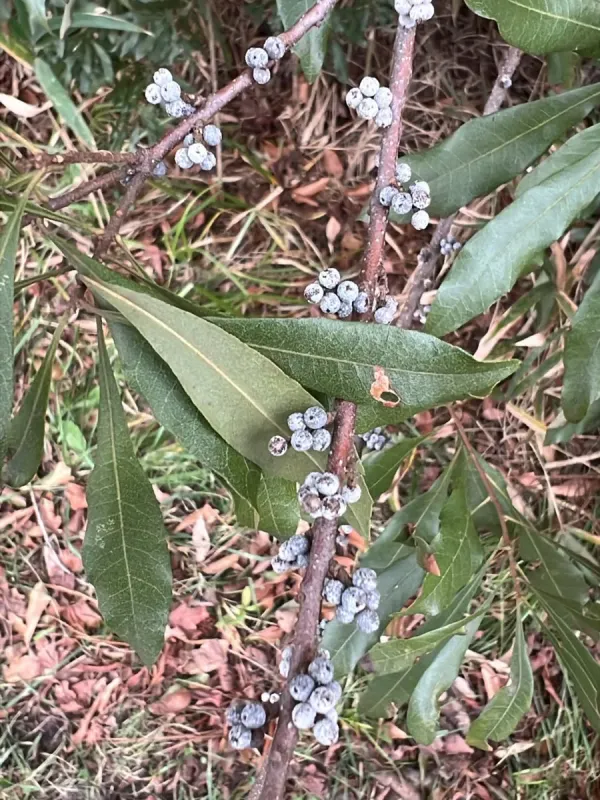
Description
Growing requirements
Myrica mexicana, commonly known as a type of wax myrtle, is a prominent species within the Myricaceae family. This evergreen shrub is highly valued for its ecological contribution, particularly its nitrogen-fixing capabilities.
Native to the mountainous regions of Mexico and Central America, the plant thrives in cool and humid environments. It typically grows at high altitudes where the climate remains stable throughout the year.
Successful cultivation requires acidic, well-drained soils rich in organic matter. While the plant is adaptable to various soil types, maintaining proper soil acidity is critical for optimal nutrient uptake and general health.
The shrub demands significant sunlight to maintain its dense foliage and produce fruits. Growers should provide adequate spacing between plants to ensure proper air circulation and to prevent overcrowding in orchard or garden settings.
Economically, the plant is harvested for its wax-covered fruits, which have been used traditionally to produce vegetable wax. Additionally, the plant serves as a biological stabilizer for soils in mountainous reforestation projects.
Main diseases and pests
Root rot caused by Phytophthora species is a common threat in poorly drained soils. Farmers must ensure that planting sites are well-prepared with sufficient drainage to prevent fungal infections.
Scale insects and aphids are the primary pests that affect the health of the shrub. Monitoring during the spring growth phase is essential, as these pests can severely weaken young foliage if left uncontrolled.