
Cariniana
Cariniana
Cariniana is a genus of large, evergreen trees within the Lecythidaceae family. Native to the tropical regions of South America, these trees are key components of rainforest ecosystems, often reaching significant heights that define the upper canopy layer.
What the section contains


Cariniana
The successful cultivation of Cariniana relies on warm, tropical conditions with high levels of rainfall and consistent temperatures throughout the year. The trees require nutrient-rich, well-draining soils that support deep root systems, preventing waterlogging while ensuring steady growth.
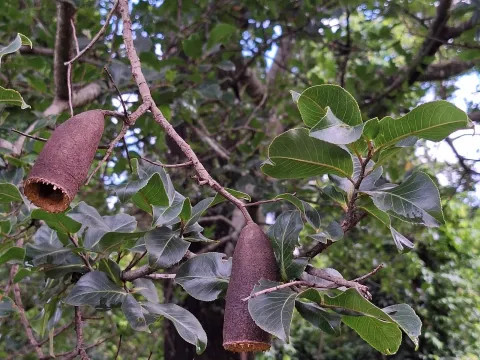
Botanically, these trees are distinguished by their woody, capsule-like fruits that release winged seeds. The foliage is typically robust and leathery, an adaptation that allows the trees to manage the high transpiration demands of their humid native environments.
Economically, the genus is highly valued for its timber, commonly referred to as Jequitiba in the trade market. The wood is prized for its high density, excellent durability, and attractive grain, making it a preferred material for high-end furniture and construction projects.
Sustainable management remains the primary focus for Cariniana, as wild populations have faced pressure from logging. Efforts to propagate these trees in managed systems are currently underway, focusing on selective breeding and silvicultural techniques to accelerate growth rates.
Common threats to the genus include wood-boring beetles that compromise the trunk integrity and various fungal infections that can occur in nursery conditions. Proper ventilation and forest management strategies are essential to mitigate these biological risks to both wild and cultivated specimens.