
Cariniana domestica
Cariniana domestica
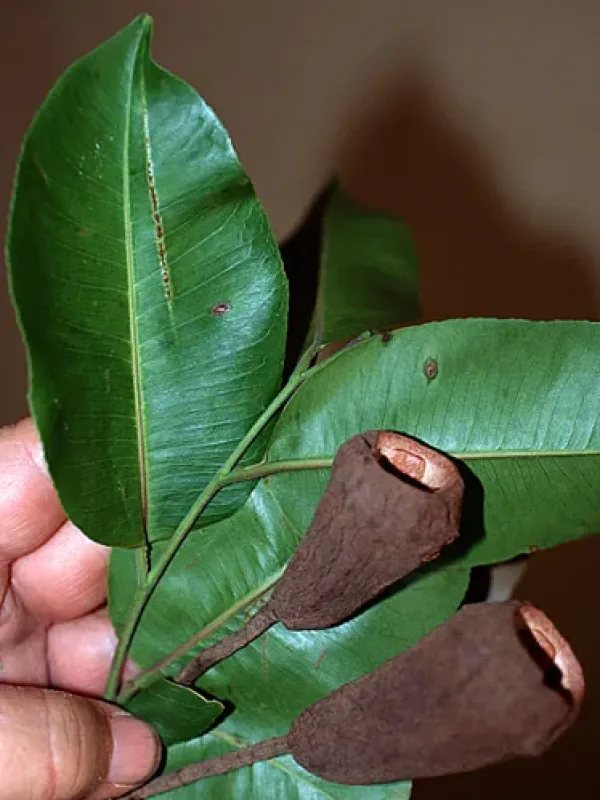
Description
Growing requirements
Cariniana domestica is a majestic tree species belonging to the Lecythidaceae family. Native to the tropical rainforests of South America, specifically Brazil, it is a significant element of local biodiversity and has been recognized for its economic value in forestry.
The cultivation of this species requires a humid tropical climate with consistent temperatures year-round. It thrives in environments where annual rainfall is abundant, ensuring the necessary moisture levels for sustained growth and biomass accumulation.
The tree prefers deep, well-drained soils, typically found in alluvial plains or nutrient-rich ferralsols. Proper soil structure is essential for the development of its extensive root system, which anchors the large canopy and provides stability against tropical storms.
Botanically, Cariniana domestica is characterized by a straight, tall trunk and a broad crown. It is a slow-growing hardwood species in its natural habitat, producing high-density timber that is highly valued for construction and high-end furniture manufacturing.
Beyond its economic utility, the tree plays a vital role in forest ecosystems by providing habitat and food for various species. Its sustainable management is crucial for balancing timber production with the conservation of Amazonian forest resources.
Main diseases and pests
Cariniana domestica faces various phytosanitary challenges, primarily involving fungal infections that target the stem and bark. High humidity often exacerbates these conditions, potentially leading to rot if the trees are not properly managed or spaced.
Wood-boring insects, particularly beetles of the Scolytinae and Cerambycidae families, represent a major threat. These pests create tunnels in the wood, significantly reducing its structural integrity and market value for timber production.
Integrated Pest Management (IPM) is essential in professional plantations to control population outbreaks. This includes monitoring for insect activity and removing infested timber to prevent the spread of pests to healthy trees in the plantation.
Seedlings and young trees are susceptible to soil-borne pathogens that can cause root decay. Ensuring high soil aeration and avoiding waterlogging are fundamental agronomic practices used in nurseries to promote healthy root development.
Climate instability and drought stress can weaken individual trees, making them more vulnerable to secondary infections. Maintaining healthy, vigorous stands through selective thinning and proper site selection helps mitigate the overall risk of infestation and disease.