
Cariniana ianeirensis
Cariniana ianeirensis
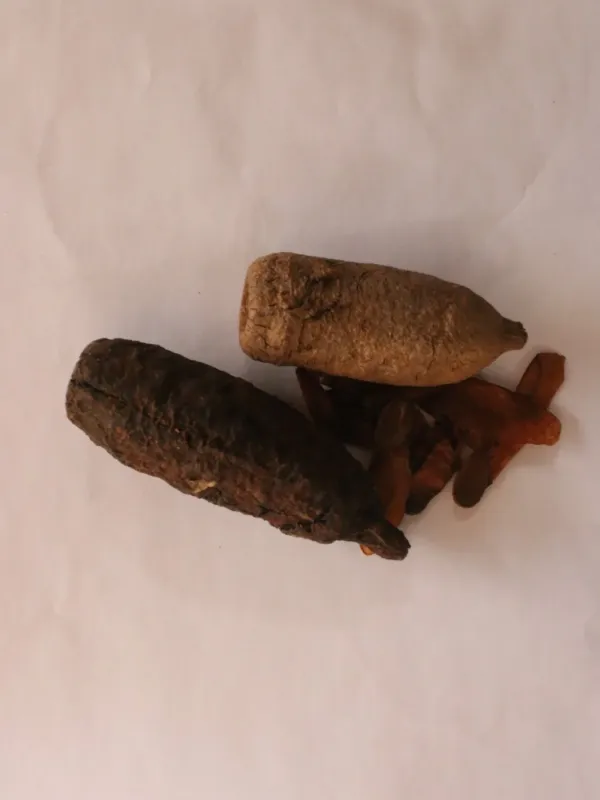
Description
Growing requirements
Cariniana ianeirensis is a notable tree species belonging to the Lecythidaceae family. It is indigenous to the Atlantic rainforests of Brazil, where it thrives in high-humidity tropical conditions and diverse forest structures.
The tree exhibits slow-growth characteristics and is recognized for its tall, straight trunk. It requires deep, fertile, and well-drained soils to reach its full development potential in natural forest settings.
Regarding climate, the species demands a consistent tropical environment with high rainfall throughout the year. It does not tolerate prolonged dry spells, as this disrupts the delicate water balance required for its physiological processes.
Ecologically, the tree acts as a vital component of the canopy, providing habitats for various avian and insect species. Its propagation in forestry systems requires careful site selection to mimic its natural soil and moisture preferences.
The wood produced by Cariniana ianeirensis is highly regarded for its aesthetic and structural properties. Historically used in quality joinery, it is now primarily managed within conservation-focused forestry programs in South America.
Main diseases and pests
The primary threat to Cariniana ianeirensis is the destruction of its native habitat. Rapid land-use changes and deforestation for agriculture have significantly reduced the number of mature, seed-bearing individuals in the wild.
Pathogenic fungi represent a significant challenge in tropical environments, particularly affecting the health of young saplings. These infections are often exacerbated by poor air circulation and excessive moisture in dense or improperly managed stands.
Wood-boring insects, such as longhorn beetle larvae, pose a constant threat to the timber quality. These pests weaken the structural integrity of the trunks, making them less valuable and increasing the risk of tree mortality in affected areas.
A lack of specific pollinators is another critical bottleneck. Since the species relies on specific insect or bat visitors, the decline in pollinator populations leads to poor seed set, hindering natural forest regeneration efforts.
Mitigation strategies include the protection of large forest corridors and the cultivation of the tree in mixed-species plantations to reduce the density of host plants, which naturally limits the spread of pests and diseases.