
Cariniana legalis
Cariniana legalis
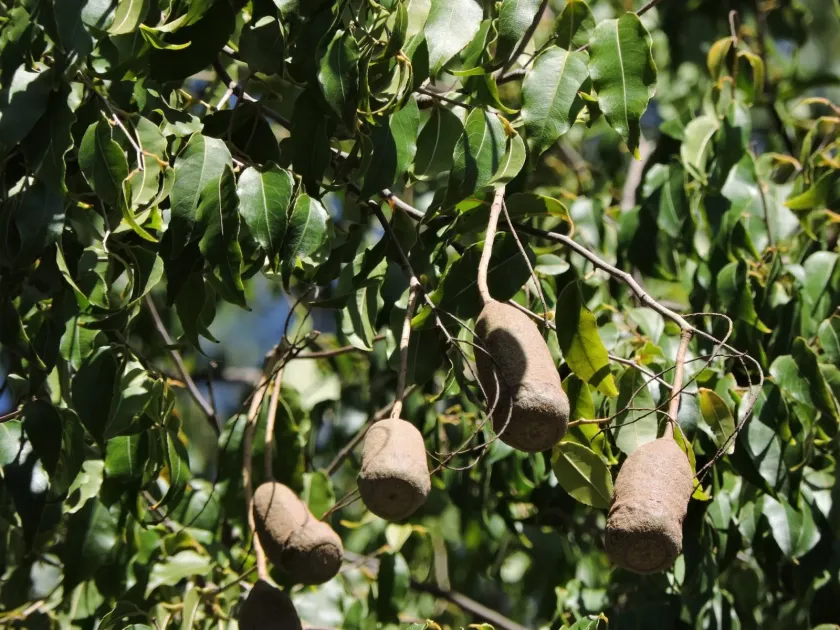
Description
Growing requirements
Cariniana legalis, commonly known as Jequitibá, belongs to the Lecythidaceae family. It is a majestic tree species native to the Atlantic forests, requiring a tropical climate with high humidity and consistent rainfall patterns to thrive.
The ideal soil for this species is deep, well-drained, and nutrient-rich. It performs poorly in heavy, waterlogged soils where root aeration is restricted, making site selection on slopes or well-drained plains essential for optimal growth.
As a light-demanding species in its mature stage, Cariniana legalis requires full sun exposure to reach its maximum height and crown development. Young seedlings, however, benefit from partial shade during their early years to mimic the natural forest understory conditions.
Agricultural management requires the removal of competing weeds to ensure that nutrients are available specifically for the tree's root system. Mulching around the base is recommended to maintain stable soil moisture levels during the dry season.
Protection from extreme temperature fluctuations and strong winds is vital in the early development phase. Proper spacing between trees is critical to encourage vertical growth and avoid early stagnation caused by competition for resources.
Yield
The primary yield from Cariniana legalis is its high-quality timber, highly regarded in the global market for its strength, durability, and resistance to environmental degradation. It is a premium material for luxury furniture and construction.
Growth rates are characteristically slow compared to fast-growing pioneer species, making this an investment crop that requires long-term management. Yield productivity is significantly enhanced by careful selection of genetically superior seeds and seedlings.
Timber harvested from mature Jequitibá trees is valued for its versatility in fine carpentry and high-load structural applications. The wood has a high density and an attractive grain, which keeps market demand consistently high.
Integrated management practices, including balanced fertilization and proper thinning cycles, can maximize biomass production per hectare. This approach ensures that the plantation remains productive while maintaining the health of the individual trees.
Sustainable harvest methods ensure that the plantation continues to contribute to reforestation efforts. By balancing extraction with replanting, farmers can achieve long-term economic stability and ecological benefits.
Main diseases and pests
Pathogenic fungi represent the most significant threat to the root system, especially in areas with poor drainage. Once established, root rot can spread rapidly through a plantation if sanitary measures are not enforced immediately.
Insects such as wood-boring beetles and termites can cause structural damage to the stems, significantly reducing the commercial value of the timber. Regular monitoring and the use of pheromone traps can help manage pest populations effectively.
Leaf-feeding insects may hinder the photosynthetic capacity of young trees. While usually not fatal, severe infestations can delay the maturation process and make the trees more susceptible to secondary stressors like drought or disease.
Climatic stressors, particularly prolonged dry spells, lower the tree's natural resilience. Stressed trees are more prone to infections, which is why maintaining soil health and water availability is key to a robust defense mechanism.
Compliance with phytosanitary regulations is crucial when managing forest plantations of Cariniana legalis. Early detection of any anomalies in leaf color or bark texture allows for rapid intervention, preventing the collapse of plantation health.