
Cariniana estrellensis
Cariniana estrellensis
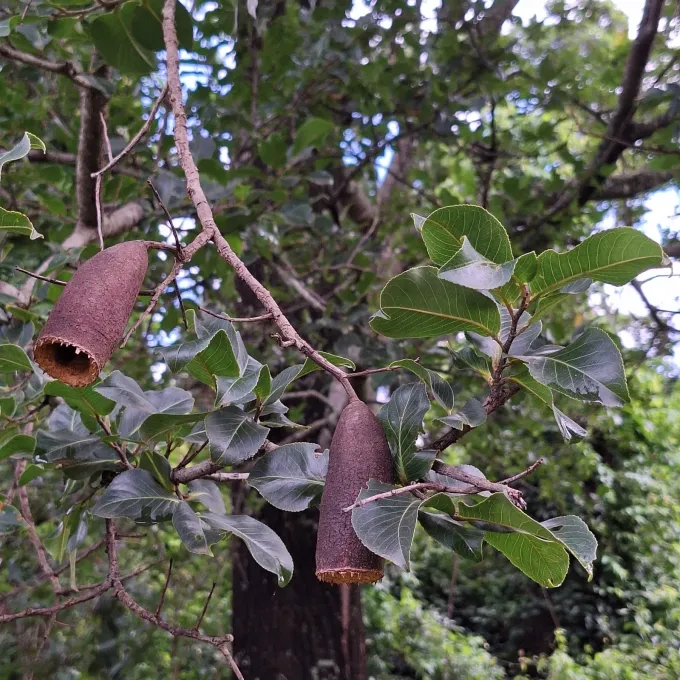
Description
Growing requirements
Cariniana estrellensis is a member of the Lecythidaceae family, widely recognized in its native range for its immense stature and ecological significance. As a canopy-forming tree in tropical rainforests, it serves as a foundational species for biodiversity and carbon sequestration.
Successful cultivation requires deep, fertile, and well-drained soils that allow for rapid root expansion. The species is highly sensitive to waterlogging, necessitating careful site selection to ensure that moisture levels remain high yet breathable, mimicking the natural rainforest floor conditions.
The climate requirements dictate a tropical environment with high, constant temperatures and abundant rainfall throughout the year. It thrives in frost-free regions where humidity levels consistently remain elevated, supporting its continuous growth cycle and physiological development.
Management practices for this culture emphasize the need for light regulation during the sapling phase, as young trees benefit from filtered light before transitioning to full sun as they mature. Efficient nursery management and proper sapling care are essential to ensure high survival rates after transplantation.
The economic value of this tree is primarily derived from its high-quality timber, which is sought after for furniture manufacturing and high-end cabinetry. Beyond industry, it is widely utilized in reforestation projects to restore forest cover and provide structural diversity to degraded ecosystems.
Main diseases and pests
The species faces pressure from specialized wood-boring insects which can compromise the integrity of the trunk in older trees. Furthermore, pathogenic fungi can affect root systems in poorly drained areas, leading to stunted growth or eventual mortality if environmental conditions are not properly maintained.