
Cariniana pyriformis
Cariniana pyriformis
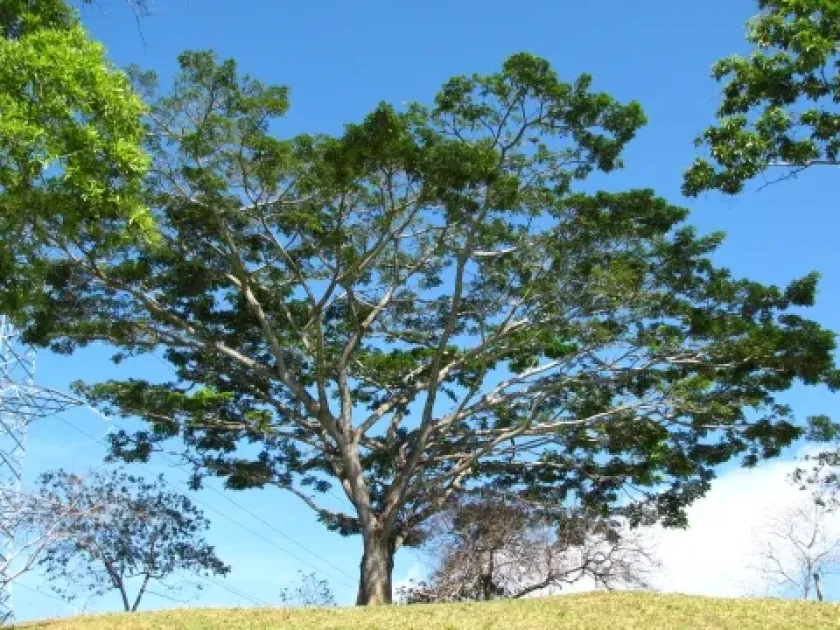
Description
Growing requirements
Cariniana pyriformis, belonging to the Lecythidaceae family, is a massive tropical tree native to the moist forests of Central and South America. It is renowned for its height, which can often reach or exceed 50 meters in pristine forest conditions.
This species thrives in areas with consistent, high temperatures and significant annual rainfall. It requires deep, nutrient-rich soils that are well-drained but retain enough moisture to support its extensive physiological processes.
The tree typically occupies the upper canopy layer, requiring ample light for mature growth. In early stages, however, saplings are adapted to the shaded conditions of the forest floor, though they require gaps in the canopy to accelerate growth.
Botanically, the species is recognized by its unique, pear-shaped fruit capsules, which give it its specific name. The wood structure is dense and durable, making it highly valuable for premium woodworking and construction.
Due to the long maturity period of these trees, cultivation is rarely done in short-cycle agricultural settings. It is primarily managed under long-term forestry programs aimed at conservation and sustainable wood production.
Main diseases and pests
The primary threat to the survival of Cariniana pyriformis is extensive deforestation and over-harvesting for its high-quality timber. The slow growth rate makes it impossible for wild populations to keep pace with current logging demands.
Fungal infections pose a significant risk, especially when the bark or trunk is mechanically damaged. Pathogens often enter through these wounds, causing internal decay that weakens the structural integrity of the tree.
Specific wood-boring insects are known to attack the trunk and branches of the trees. These pests can cause significant damage to young saplings, drastically reducing the success rate of reforestation efforts.
Reproductive failure is a growing concern due to the reduction of natural pollinator populations in fragmented landscapes. Without successful pollination, the production of viable seeds drops, hindering natural regeneration.
Climate change, specifically prolonged droughts, can disrupt the fragile ecosystems where this tree grows. Such environmental stressors make the population more susceptible to diseases and reduce the overall health of the forest canopy.