

Reference · Crops
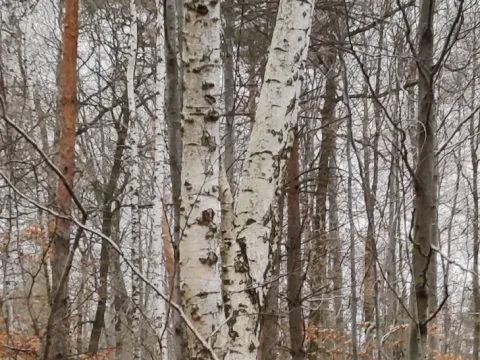
Birch
Betula L.
The sowing of birch (Betula L.) seeds in nurseries is typically performed in autumn immediately after collection or in early spring following cold stratification to ensure high germination rates.
14
items
What the section contains
 Bog birch
Betula pumila L.
Bog birch
Betula pumila L.
 Chinese birch
Betula albosinensis Burkill
Chinese birch
Betula albosinensis Burkill
 Downy birch
Betula pubescens Ehrh.
Downy birch
Betula pubescens Ehrh.
 Dwarf birch
Betula nana L.
Dwarf birch
Betula nana L.
 Erman's birch
Betula ermanii Cham.
Erman's birch
Betula ermanii Cham.
 Gray birch
Betula populifolia Marshall
Gray birch
Betula populifolia Marshall
 Himalayan birch
Betula utilis D. Don
Himalayan birch
Betula utilis D. Don
 Japanese white birch
Betula platyphylla Sukaczev
Japanese white birch
Betula platyphylla Sukaczev
 Paper birch
Betula papyrifera Marshall
Paper birch
Betula papyrifera Marshall
 Plettke's Birch
Betula x plettkei Junge
Plettke's Birch
Betula x plettkei Junge
 River birch
Betula nigra L.
River birch
Betula nigra L.
 Silver birch
Betula pendula Roth
Silver birch
Betula pendula Roth
 Silver birch
Betula pendula Roth subsp. Pendula
Silver birch
Betula pendula Roth subsp. Pendula
 Yellow birch
Betula alleghaniensis Britton
Yellow birch
Betula alleghaniensis Britton
Marketplace
Products in this section · 4


Birch
For spring sowing, seeds require cold stratification at temperatures between +1 and +5 °C for 1–2 months. This process effectively breaks seed dormancy and ensures uniform seedling emergence.
Due to the extremely small size of birch seeds, sowing depth should be shallow, generally not exceeding 0.5–1 cm. The seedbed must be kept moist and often requires light mulching or covering to prevent drying.
Proper spacing during sowing is critical for developing strong root systems. Typically, rows are spaced 15–20 cm apart to provide adequate nutrient and water access for young birch seedlings.
Seedlings are typically transplanted to forestry sites after 1–3 years of nursery development, once the root system is robust enough to adapt to field conditions.
Birch belongs to the Betulaceae family and is known as a highly light-demanding species. It thrives in open, sunny environments and performs poorly under forest canopy shade.
The culture is adaptable to various soil types, ranging from sandy soils to loams. However, it prefers fresh, well-drained, and moderately fertile soils for optimal growth and biomass production.
Birch exhibits excellent cold tolerance, allowing it to be cultivated in diverse climates, from temperate regions to subarctic zones. It is a highly resilient species in terms of temperature fluctuations.
While mature birch trees are relatively drought-tolerant due to their deep root systems, adequate moisture is essential for young plantations, especially during the first few years of growth.
As a pioneer species, birch acts as a soil-improving agent. Agronomic maintenance is minimal, focusing primarily on weed control and thinning to encourage healthy tree development.
The primary economic value of birch lies in its high-quality wood, which is widely used in the furniture, plywood, and pulp industries due to its strength and uniform texture.
Birch sap collection is a seasonal industry. Harvested in early spring, the sap is a nutrient-rich natural resource used in food processing and beverage industries.
Birch wood is also valued as a superior heating fuel, providing high energy density and efficient combustion. It is a staple in the residential firewood market.
The pharmaceutical industry utilizes birch buds, leaves, and bark to extract bioactive compounds. These are used in supplements and ointments for their antiseptic and anti-inflammatory properties.
The productivity of birch plantations depends on site quality and management practices. Rotational forestry cycles for birch typically range from 40 to 60 years for timber harvesting.
The gypsy moth is one of the most destructive pests for birch plantations, as it can cause widespread defoliation, leading to reduced growth rates and tree mortality.
Birch leaf miners and sawfly larvae can also significantly damage the canopy. Integrated pest management, including biological controls, is essential to minimize such outbreaks.
Leaf rust and powdery mildew are common fungal diseases that affect birch foliage. These diseases can impair photosynthesis and weaken the trees, making them susceptible to secondary attacks.
Heart rot and various wood-decaying fungi, such as tinder fungi, pose a significant threat to the quality of harvested timber and the long-term structural integrity of the trees.
- Bronze birch borer
- Aphids
- Fungal cankers
- Bark beetles
Timber harvesting is optimally performed during winter months. Dormant wood has lower moisture content, which enhances wood quality and reduces the risk of fungal infestation post-harvest.
When collecting birch sap, it is essential to follow sustainable practices. Tapping should be done with minimal damage to the xylem to ensure the long-term health of the tree.
Buds are harvested in early spring before they begin to open. This labor-intensive task requires precision to avoid damaging the branches and affecting the tree's future leaf development.
Leaves are collected in mid-summer when active ingredients are at their peak. It is crucial to collect from ecologically clean areas, avoiding proximity to industrial zones or roadsides.
After any extraction, pruning, or thinning, it is professional practice to seal cut surfaces with appropriate materials to prevent the entry of pathogens and ensure quick healing.