
Plettke's Birch
Betula x plettkei Junge
Description
Growing requirements
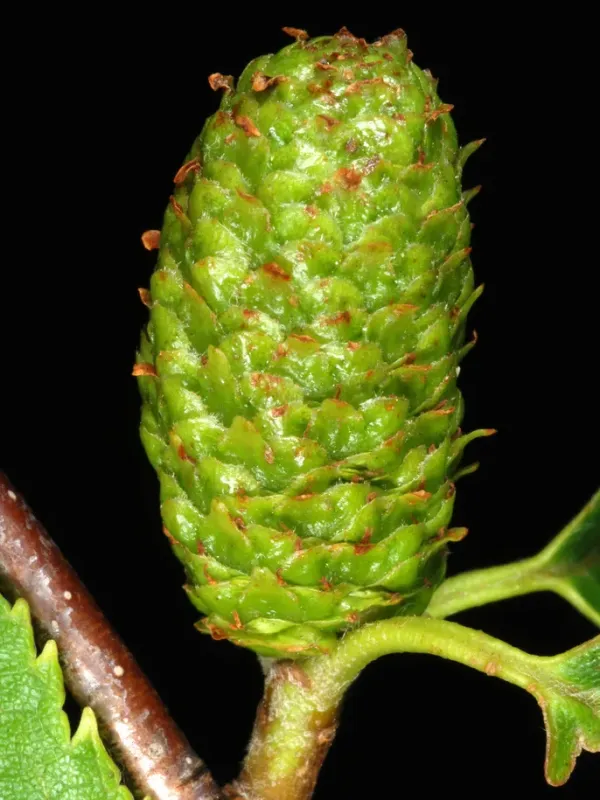
Plettke's Birch (Betula x plettkei) is a natural interspecific hybrid resulting from the crossing of Downy Birch (Betula pubescens) and Dwarf Birch (Betula nana). The species belongs to the Betulaceae family and exhibits intermediate morphological characteristics between its parent species.
The natural range of this hybrid is primarily concentrated in Northern Europe and regions with moderately cold climates where the parent species' habitats overlap. The plant is characterized by high frost resistance, allowing it to adapt effectively to the harsh conditions of northern latitudes and alpine environments.
Successful cultivation requires moist, well-drained soils with an acidic or neutral pH level. The tree prefers open, well-lit areas, as it is a light-demanding species that does not tolerate shading from denser forest canopies well.
Biological features include an ability to withstand high soil moisture, making the hybrid suitable for landscapes with high water tables. Its root system is primarily superficial, actively spreading in the upper soil layers, which requires careful maintenance during ground clearing or cultivation near the base.
In terms of economic use, it is mainly valued for decorative landscaping and reforestation in marshy or wet areas. Due to its compact growth form and resilience, Plettke's Birch is considered valuable genetic material for breeding robust, cold-hardy decorative tree varieties.
Main diseases and pests
Like most birch species, this hybrid is susceptible to leaf rust caused by various fungi in humid conditions. Preventive treatment with fungicides at the beginning of the growing season is recommended to keep the foliage healthy and aesthetic.
Common pests include leaf rollers and birch sawflies, which can significantly damage leaves during the summer months. Regular monitoring allows for early detection of these pests, enabling the use of biological or targeted insecticides to minimize tree stress.
Extended dry spells can increase the risk of wood-boring insect infestations, especially if the tree is already stressed by environmental factors. Maintaining optimal soil moisture levels is the most effective way to prevent the colonization of the trunk by these destructive pests.
Fungal diseases of the trunk, such as tinder fungus, can pose a risk to old or damaged specimens. Sanitary pruning of diseased branches and treatment of wounds with protective sealants are essential maintenance steps to prevent the spread of infections throughout the tree.
Poor agricultural practices, such as severe soil compaction around the root zone, can suppress growth and reduce the tree's natural resistance. Mulching the area around the base helps maintain soil structure and promotes better nutrient absorption, reducing the risk of powdery mildew.