
River birch
Betula nigra L.
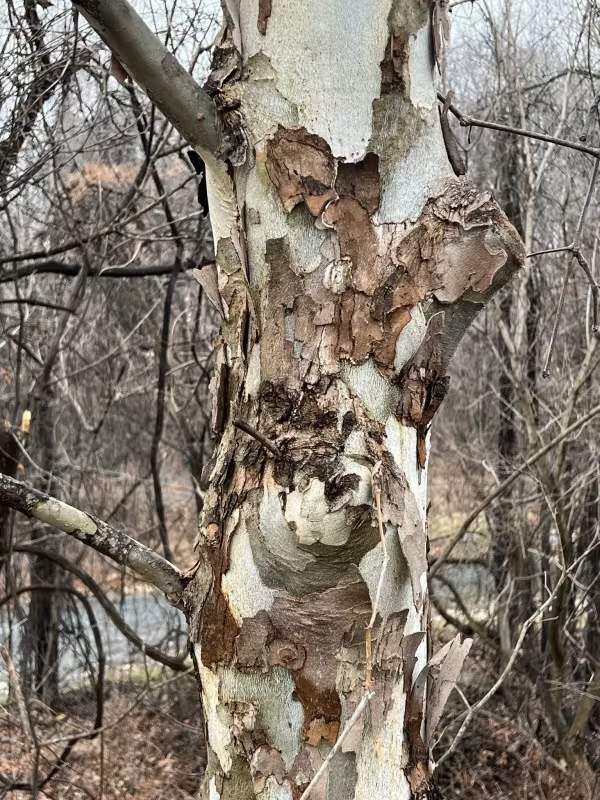
Description
Sowing dates
Seeds of Betula nigra should be harvested in late spring or early summer as soon as they mature, as they have short viability. For best results, sow seeds immediately after collection in a sterile, moist medium to ensure maximum germination success.
When sowing in containers, use a mix of peat moss and perlite to provide adequate drainage. Keep the seeds under bright light, as they require light exposure to trigger the germination process successfully within the first few weeks.
Maintaining a constant, high level of humidity is crucial for the development of seedlings. Using a misting system or covering the tray with clear plastic can help create the greenhouse effect necessary for delicate birch sprouts.
Once seedlings have developed several true leaves, they should be transplanted into individual pots. This reduces competition for nutrients and ensures that each young tree develops a strong root system before final placement in the field.
Hardening off the seedlings is a vital step before outplanting in the permanent location. Gradually increase their exposure to outdoor conditions over the course of two weeks to prevent transplant shock.
Growing requirements
The river birch (Betula nigra) is a deciduous tree native to the Eastern United States, belonging to the Betulaceae family. It is distinctively adapted to moist, riparian environments, often found along riverbanks and in swampy floodplains.
This species thrives in acidic, moist, and fertile soils. Unlike many other birch species, the river birch is highly tolerant of occasional flooding and can adapt to a wider range of soil pH levels, provided the moisture level remains sufficient.
While river birch prefers full sun, it can tolerate partial shade, particularly in hotter climates where the foliage benefits from some protection during the midday sun. Proper spacing is necessary to allow for the development of its unique exfoliating bark.
Climate adaptability is one of the river birch's strongest assets, as it withstands both significant winter cold and moderate heat. However, it performs best in regions where there is adequate rainfall to satisfy its high water requirements.
Maintenance involves providing adequate space for root expansion and periodic mulching. Mulch helps preserve soil moisture, regulates temperature, and mimics the natural forest floor conditions that the tree prefers.
Main diseases and pests
River birch is generally robust, but it can be susceptible to specific pests, including the bronze birch borer. This wood-boring insect is more likely to attack trees that are already stressed by drought or poor site conditions.
Leaf spot diseases are common, especially in environments with limited airflow or prolonged wet weather. Improving air circulation around the tree canopy is the most effective cultural method to reduce the incidence of fungal outbreaks.
Iron chlorosis, characterized by yellowing leaves with green veins, indicates an issue with soil chemistry. This is often caused by alkaline soils, which prevent the tree from effectively absorbing iron from the ground.
To keep the tree healthy, avoid mechanical injury to the bark during lawn maintenance. Open wounds on the trunk can serve as entry points for pathogens and wood-rotting fungi that compromise the tree's structural integrity.
- Bronze birch borer.
- Leaf spot pathogens.
- Aphids and mite infestations.