
Japanese white birch
Betula platyphylla Sukaczev
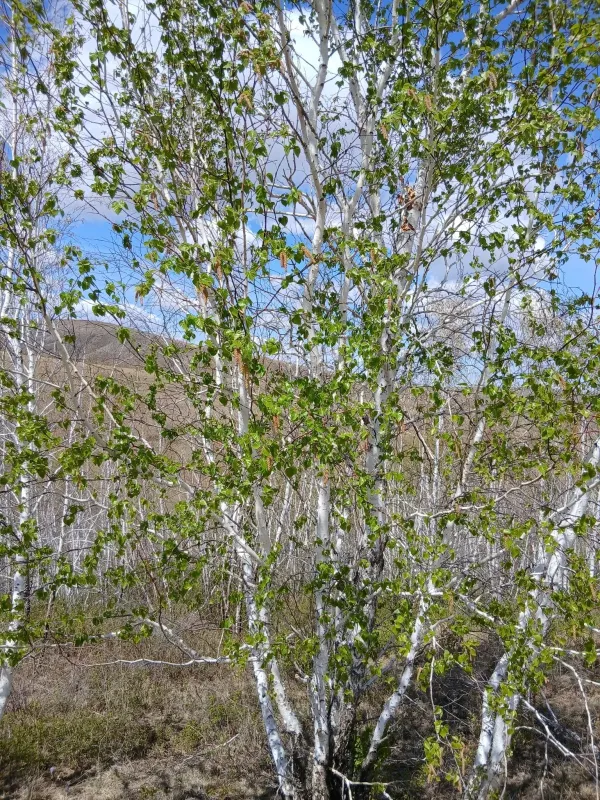
Description
Sowing dates
Sowing seeds of Japanese white birch (Betula platyphylla) is typically performed in early spring after a stratification period of 1 to 2 months at low, controlled temperatures. Autumn sowing is also an option, utilizing natural overwintering conditions to break seed dormancy.
Seeds should be sown in nursery beds with light, well-draining soil composition. Given the minute size of the seeds, they require only a shallow covering, no more than 0.5 cm deep, and are highly sensitive to light exposure during germination.
During the nursery stage, maintaining consistent soil moisture is critical for successful seedling establishment. Mulching with a thin layer of organic matter helps prevent the surface from drying out and protects delicate roots from rapid temperature fluctuations.
Planting density should be managed to ensure adequate space for seedlings before transplantation. A standard sowing rate is approximately 1-2 grams of high-quality seeds per square meter of the nursery bed.
The optimal time for transplanting seedlings to their final location is early spring before sap flow begins, or during the autumn dormancy period. Containerized saplings offer the flexibility of planting throughout the growing season if sufficient watering is provided.
Growing requirements
Japanese white birch is a prominent member of the Betulaceae family, native to the Russian Far East, Siberia, and parts of East Asia. This sun-loving, deciduous species is renowned for its exceptional cold hardiness and adaptability to diverse forest ecosystems.
The species thrives in well-drained, fertile loamy or sandy soils, yet shows significant resilience in poorer, rocky sites. It is frequently observed as a pioneer species in areas recovering from wildfires or logging, quickly colonizing disturbed ground.
Sufficient soil moisture is essential for optimal growth, although the species can withstand brief periods of dry weather. Full sun exposure is a requirement for vigorous development; shaded environments often lead to stunted growth and poor canopy structure.
Soil pH preference ranges from slightly acidic to neutral. The species does not perform well in heavily compacted soils or areas characterized by stagnant water, which can lead to root system decay and overall tree decline.
In forestry management, selecting a site with proper drainage and avoiding waterlogged lowlands is essential. When planted as part of forest cultures, Betula platyphylla helps improve soil structure and provides necessary vegetative cover.
Yield
The economic value of Japanese white birch lies primarily in its high-quality timber, which is extensively used in the furniture industry, plywood manufacturing, and interior design. Productive stands can yield between 200 and 350 cubic meters per hectare at maturity.
Known for its uniform texture and strength, the wood is highly sought after for veneers, cabinetry, and high-end woodworking projects. It is appreciated for its ease of mechanical processing and stability once seasoned.
Birch sap extraction represents another significant aspect of its utilization, especially in regions with a strong tradition of harvesting natural tree products. Tapping is typically conducted in mature stands of 30-40 years, following sustainable guidelines to ensure tree health.
The biomass of the species is also vital for the pulp and paper industry and serves as a high-grade source for charcoal production. Chemical derivatives from the wood are used in various specialized industrial applications.
Ongoing selection and breeding programs focus on identifying fast-growing genotypes with straight boles to enhance yield and timber quality in managed plantations.
Main diseases and pests
Major insect threats include leaf beetles and birch sawflies, which can cause significant defoliation during peak infestation years. Such damage weakens the tree and significantly reduces the annual growth of wood biomass.
Fungal infections, such as those caused by polypore fungi, pose a severe threat, particularly to overmature or stressed stands. Implementing regular sanitary cutting and thinning operations is the most effective way to manage and prevent disease outbreaks.
Young plantations are vulnerable to browsing by rodents, which may feed on the bark during harsh winters. Mechanical protectors or trunk coatings are often employed to prevent girdling and protect the tree's health during its developmental stages.
Extended drought periods can leave the trees vulnerable to bark beetles and other secondary borers. Monitoring the phytosanitary condition of forest sites is a routine task that should be performed at least twice during the growing season.
Proper management of logging residues is essential to minimize the risk of pathogen spread. Cleansing the site and ensuring healthy growing conditions for remaining trees are foundational practices in managing birch forestry.