
Gray birch
Betula populifolia Marshall
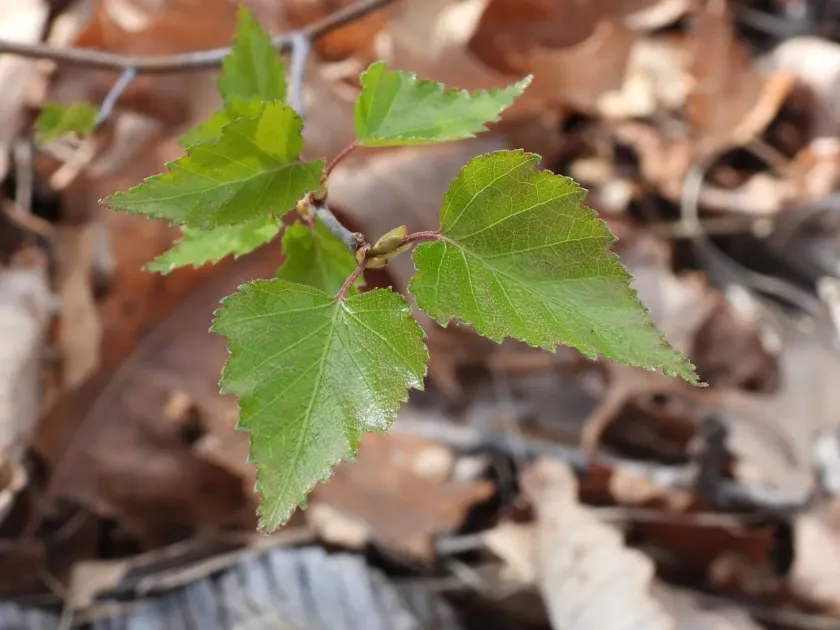
Description
Growing requirements
Gray birch (Betula populifolia) is a deciduous tree species belonging to the Betulaceae family, native to eastern North America. This pioneer species is known for its ability to quickly colonize disturbed sites, abandoned fields, and sandy, poor-quality soils where other tree species struggle to establish.
The culture thrives in full sun exposure, which is critical for its development and the maintenance of its upright, often multi-stemmed habit. While it can tolerate a variety of soil types, it performs best in moist, well-drained, acidic to neutral soils, reflecting its natural preference for riparian edges or rocky outcroppings.
In terms of agronomic requirements, consistent moisture during the establishment phase is essential for young saplings. Once established, the species exhibits moderate drought tolerance, although prolonged dry spells can lead to leaf yellowing and reduced vigor.
Cultivation practices involve selecting a site with sufficient air circulation to prevent the buildup of humidity, which can be detrimental to the foliage. Because of its high cold hardiness, the gray birch is an excellent candidate for colder climates, requiring minimal protection during dormant months.
The economic and landscape value of this tree lies in its aesthetic appeal and its role in ecological restoration. It is often planted to stabilize slopes or as an ornamental feature, providing visual interest through its distinctive foliage and peeling, grayish-white bark.
Main diseases and pests
Gray birch is particularly susceptible to the bronze birch borer (Agrilus anxius), a wood-boring beetle that poses a major threat to the tree's survival. Signs of infestation include dieback in the upper canopy and characteristic D-shaped exit holes on the bark.
Fungal issues such as leaf spot and rust are common during cool, damp spring weather. Management strategies involve cleaning up fallen debris and using appropriate fungicidal treatments if infections become severe enough to impact overall tree health.
Root system health is paramount, as the species is vulnerable to phytophthora root rots in compacted, waterlogged conditions. Ensuring a well-drained substrate at the time of planting is the most effective preventative measure against these soil-borne pathogens.
Various insects, including leaf miners and aphids, can infest the foliage, leading to cosmetic damage or reduced photosynthetic capability. Regular monitoring during the growing season allows for early intervention with organic or synthetic pesticides.
Overall, maintaining tree vigor through appropriate fertilization and avoiding unnecessary mechanical damage to the trunk remains the best defense against pests and diseases that exploit stressed or injured specimens.