
Paper birch
Betula papyrifera Marshall
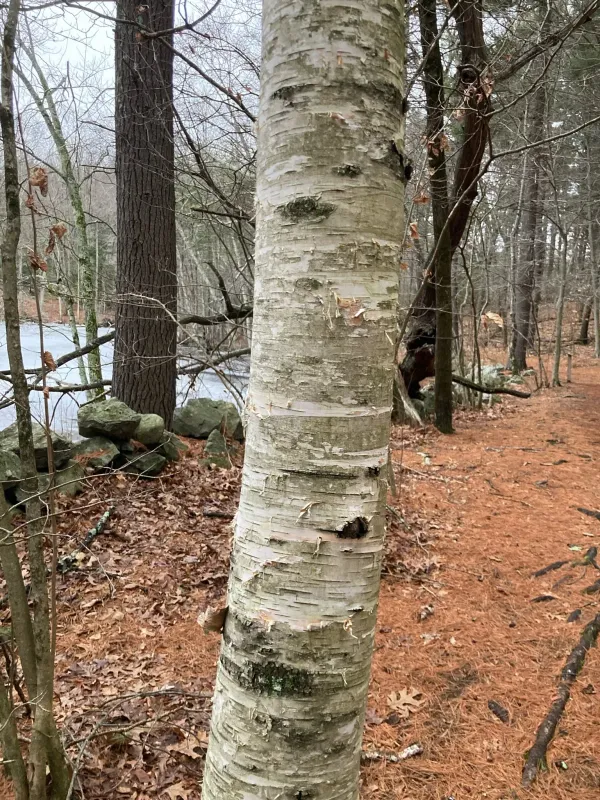
Description
Sowing dates
Sowing of paper birch seeds is best performed in the autumn, allowing the seeds to undergo natural stratification in the soil during the winter months.
For spring planting, seeds must be cold-stratified for at least 30 to 60 days at temperatures between 0 and 5 degrees Celsius to ensure uniform germination.
The use of a light, well-draining soil mix is essential in nurseries to prevent damping-off, which is common in seedlings of the Betula genus.
Seeds should be surface-sown or barely covered with a fine layer of soil, as they require light for the chemical processes involved in sprouting.
Regular misting or irrigation is required after sowing to keep the soil surface consistently moist, which is vital for the survival of the tiny sprouts.
Growing requirements
The Paper Birch is a member of the Betulaceae family, native to northern North America, and is widely recognized for its distinctive, peeling, chalk-white bark.
This species thrives in cool, temperate climates and is highly cold-hardy, making it suitable for reforestation projects in northern latitudes.
It is an obligate heliophile, meaning it requires full sun exposure to maintain vigorous growth and to prevent the lower branches from dying back prematurely.
The tree prefers deep, moist, and well-drained soils that are slightly acidic, though it can tolerate a variety of soil textures from sandy loams to rocky sites.
While adaptable, the species is sensitive to extreme heat and prolonged drought, and it does not perform well in compacted soils or areas with standing water.
Yield
Paper birch wood is highly valued in the industry for its fine grain and strength, being used extensively in the production of furniture, cabinetry, and specialty tools.
The tree is a reliable source of pulpwood, contributing significantly to the paper and cardboard industry due to the favorable fiber quality of its wood.
Historically and commercially, the bark of Betula papyrifera is prized for its waterproof qualities and is still used in artisan crafts, including decorative objects.
The species demonstrates rapid juvenile growth, which makes it a preferred candidate for early-stage forest management and short-rotation timber production.
In managed forestry, regular thinning is necessary to achieve high yields of quality timber, as this encourages the development of straight, clear trunks.
Main diseases and pests
The bronze birch borer is the most significant pest affecting paper birch, with larvae tunneling under the bark and causing severe damage to the tree's health.
Leaf-feeding insects, including aphids and various sawfly species, can cause substantial defoliation, which reduces the photosynthetic capacity of the tree.
Fungal pathogens such as wood decay fungi (heart rot) often enter through wounds in the bark, ultimately shortening the lifespan of the tree.
Powdery mildew can occasionally affect leaves during late summer, especially in humid conditions with poor air circulation between the trees.
Integrated pest management, including the maintenance of tree vigor through proper water and site management, remains the best defense against major outbreaks.