
Chinese birch
Betula albosinensis Burkill
Description
Growing requirements
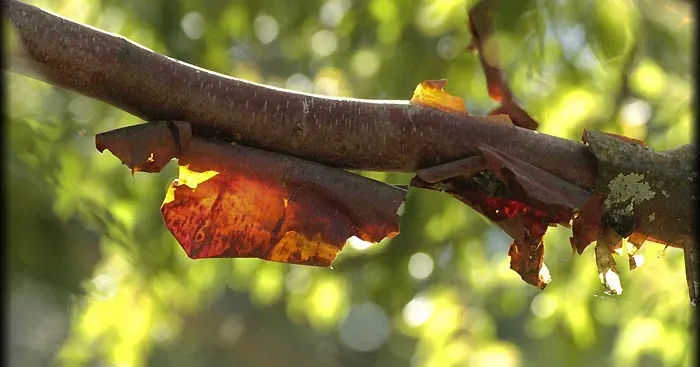
The Chinese birch (Betula albosinensis) is a deciduous tree belonging to the Betulaceae family, renowned for its distinctive, exfoliating bark that ranges in color from copper to pinkish-orange. Native to the mountainous regions of Western and Central China, this species thrives in cool, temperate environments at higher elevations.
Regarding site requirements, the Chinese birch prefers deep, fertile, and well-drained loamy or sandy-loam soils. It is highly intolerant of waterlogged conditions, which can lead to root rot and tree decline; therefore, proper soil drainage is essential for long-term health and successful cultivation in a garden setting.
Climate conditions play a crucial role in the development of this tree. It favors regions with cool, moist summers and is generally hardy, though young specimens require protection from harsh winds and intense late-afternoon sun, which can dehydrate the thin bark and cause physiological stress.
Agrotechnical practices include maintaining a consistent moisture level in the root zone, especially during the first few years after planting. Mulching is highly recommended to regulate soil temperature and retain moisture, but the mulch must not touch the trunk directly to prevent fungal infections and bark decay.
The primary use of the Chinese birch is in ornamental landscaping, where it serves as a stunning focal point due to its peeling bark and graceful habit. It is widely planted in arboretums, large private gardens, and public parks to provide year-round interest, especially in the winter when the bark texture is most visible.
Main diseases and pests
The tree is susceptible to several common birch diseases, such as leaf rust and various fungal spots that manifest during periods of high humidity and poor air circulation. To manage these, it is vital to prune the canopy appropriately to allow for sufficient light and air penetration, which keeps the foliage dry and healthy.
Common pests include birch leaf miners and various aphids that can damage the foliage and stunt growth. Regular monitoring is encouraged, and integrated pest management (IPM) strategies, including the introduction of beneficial insects or targeted horticultural oil applications, are the most effective ways to maintain tree vitality.