
Himalayan birch
Betula utilis D. Don
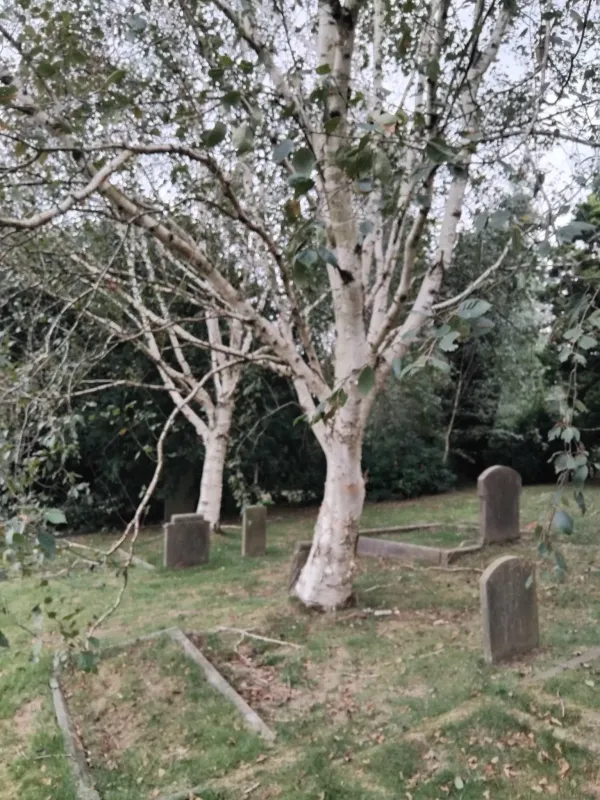
Description
Sowing dates
Seeds of the Himalayan birch should be sown in autumn into open ground or in spring after cold stratification for at least 2–3 months. Seeds require light to germinate, so they should be sown on the surface and only lightly covered with fine sand or soil.
Container-grown seedlings are preferred for commercial planting as they establish a stronger root system. The best time for transplanting is early spring before the buds break or late autumn after the tree enters dormancy.
Maintaining consistent soil moisture is crucial during the germination phase. Covering the seedbed with permeable fabric helps retain humidity and prevents the delicate seeds from drying out in the sun.
Vegetative propagation via cuttings is difficult for Betula utilis and often requires professional misting systems and hormone treatments to ensure successful rooting. Seed propagation remains the most reliable method for larger populations.
When planning a landscape, maintain a distance of at least 4 to 6 meters between specimens. This allows the trees to develop their characteristic broad canopy and ensures sufficient airflow for plant health.
Growing requirements
The Himalayan birch (Betula utilis) belongs to the Betulaceae family and is native to the high-altitude Himalayan region. It is highly adapted to cool, moist climates and mountainous environments.
The tree thrives in well-drained, fertile, loamy soils. While it appreciates moisture, it does not tolerate waterlogged sites, which can lead to root rot. Good drainage is the primary requirement for successful cultivation.
This species is light-demanding and requires a sunny location to develop its famous peeling white bark and dense, healthy foliage. In shaded areas, the growth rate significantly slows down, and the decorative appeal is reduced.
Young trees require supplemental irrigation during dry spells in their first few years. As the tree matures, it becomes more resilient, but maintaining a layer of organic mulch around the base is still recommended.
Fertilizing with a balanced NPK fertilizer in early spring supports healthy shoot growth. Avoid excessive nitrogen late in the season to ensure the wood hardens properly before the winter frosts arrive.
Main diseases and pests
Himalayan birch is susceptible to various fungal diseases such as leaf rust and powdery mildew, especially in humid and poorly ventilated conditions. Regular inspection is essential for early detection.
Pests like the birch leaf miner and various bark beetles can pose a threat to tree health. Infestations should be managed immediately to prevent severe damage to the tree's vascular system.
Proactive management includes sanitary pruning of dead or diseased branches to reduce the risk of spreading pathogens. Copper-based fungicides are effective as a preventative measure for fungal infections.
Integrated pest management, including the use of systemic insecticides during peak infestation periods, can help maintain the tree's beauty. Keeping the tree vigorous through proper watering and feeding is the best defense.
- Regular pruning to improve airflow
- Monitoring for beetle entry holes
- Applying protective coatings during the dormant season