
Downy birch
Betula pubescens Ehrh.
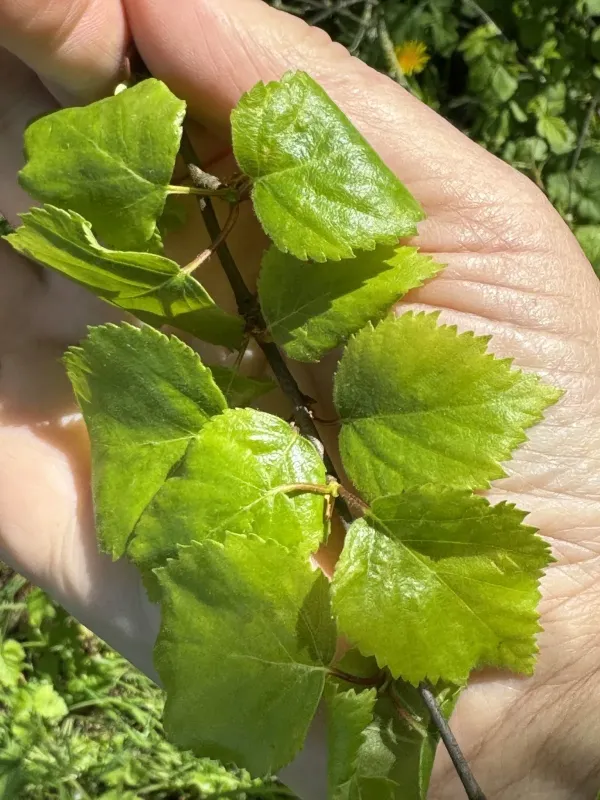
Description
Sowing dates
Sowing Downy birch (Betula pubescens) involves using seeds that require stratification. For spring sowing, seeds are kept at 0–5°C for about two months to break dormancy.
Seeds should be sown shallowly, as they are minute. A light cover of peat or sawdust helps to retain moisture without burying the seeds too deep to emerge.
Nursery beds are typically set up in rows to facilitate weed control and ensure each seedling has adequate space for early development during its first growing season.
Consistent moisture is critical during the first three weeks post-sowing. Protecting the nursery beds from drying winds and direct scorching sun is a key agronomic task.
Seedlings are typically transplanted to nursery rows for 1–2 years to develop a stronger root system before they are ready for forestation or landscaping projects.
Growing requirements
Downy birch belongs to the Betulaceae family. It is a highly resilient species, particularly noted for its tolerance of wet, waterlogged, and boggy soil conditions.
The species prefers slightly acidic, nutrient-poor, or organic-rich soils. It is a pioneer species often used to colonize difficult terrain, including peatlands and abandoned sites.
As a light-demanding tree, it requires full sun for optimal growth. However, it exhibits remarkable frost tolerance, thriving in boreal climates and harsh northern environments.
It is not well-suited to heavy, compacted clay soils, as it requires soil aeration. Proper site preparation, such as light soil loosening, significantly improves tree growth rates.
The tree thrives in cool, humid conditions. While it manages well in high-water environments, it does not survive long-term stagnant flooding.
Yield
The yield of Downy birch is measured by timber volume in industrial forestry. It is highly valued for its white, dense, and uniform wood used in plywood manufacturing.
In well-managed stands, the annual increment can be substantial, leading to high-quality logs harvested after a 50–70 year rotation period, depending on the site quality.
Beyond timber, the species is an important source of medicinal raw materials, including buds and leaves, which are harvested for pharmaceutical applications.
The birch is also essential for pulpwood production. Its wood characteristics make it ideal for high-grade cellulose, paper products, and furniture components.
Efficient management practices, including thinning, ensure that the final yield consists of straight, knot-free trunks, maximizing the economic return of the stand.
Main diseases and pests
The primary threats include fungal pathogens such as heart rot fungi, which often infect the tree through physical damage to the trunk or branches.
Defoliating insects, including various sawfly species and birch leaf miners, can cause significant damage during population outbreaks, leading to reduced growth rates.
Stressed trees are particularly vulnerable to boring insects like bark beetles. Maintaining stand health through proper density management is the main preventive strategy.
- Removal of deadwood to reduce fungal spore load
- Monitoring of foliage density in mid-summer
- Protecting young saplings from browsing mammals
Early identification of chlorosis or leaf curling is necessary to address nutritional deficiencies or incipient pest infestations before they spread across the stand.
Harvesting
Timber harvesting is typically planned as clear-felling or selective thinning, aligned with the biological maturity of the birch stand to ensure optimal wood density.
Winter harvesting is preferred in forestry operations to minimize soil damage and maintain the wood quality, as sap flow is minimal during the dormant season.
For medicinal purposes, buds are hand-collected in early spring, while leaves are gathered in mid-summer when active compounds are most concentrated.
The harvested wood is processed into logs, pulpwood, or veneer bolts depending on the diameter and quality of the stems sorted at the logging site.
Reforestation efforts follow the harvest to ensure the site remains productive, usually through natural regeneration or planting of fast-growing birch saplings.