
Dwarf birch
Betula nana L.
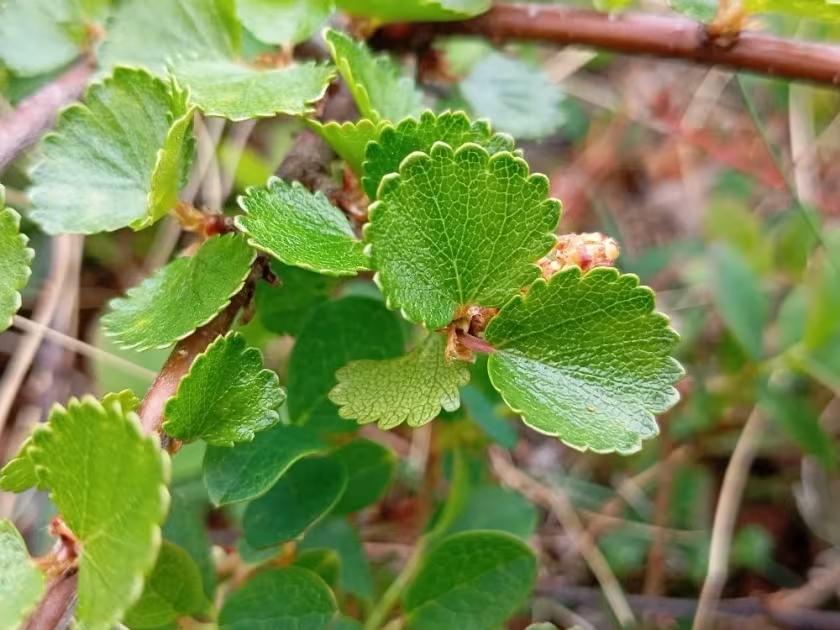
Description
Growing requirements
Dwarf birch (Betula nana L.) is a deciduous shrub belonging to the Betulaceae family. It is a highly specialized plant adapted to arctic and alpine environments across the Northern Hemisphere.
This species is characterized by its small, rounded leaves and procumbent or low-growing habit. It is an essential component of the tundra landscape, providing habitat and forage for local wildlife.
The plant thrives in cool, moist, acidic, and nutrient-poor soils such as peat bogs or rocky outcrops. It requires high atmospheric humidity and is intolerant of prolonged exposure to heat or drought.
Cultivation of this plant is primarily focused on ornamental purposes. It is frequently used in rock gardens, peat gardens, or to mimic natural northern ecosystems in landscape architecture.
Propagation is typically done through seeds or cuttings. It is essential to ensure a site with full sunlight exposure to maintain the plant's characteristic dense and compact growth structure.
Main diseases and pests
Fungal diseases, including leaf rust, are the most common issues arising in environments with poor air circulation. Proper spacing between individual plants is necessary to prevent these infections.
Pests such as various caterpillars, sawfly larvae, and aphids can damage the foliage during the summer months. Integrated pest management strategies should be applied at the first sign of damage.
Root rot represents a significant risk if the soil becomes waterlogged or lacks proper drainage. Ensuring the soil is well-aerated is critical for the long-term survival of the dwarf birch.
Environmental stress, particularly high summer temperatures, can predispose the plant to infections. Applying a thick layer of mulch helps regulate root zone temperatures in warmer climates.
Regular monitoring of the foliage and stems allows for early detection of potential threats. Maintaining optimal growing conditions remains the most effective method for overall plant health.