
Silver birch
Betula pendula Roth
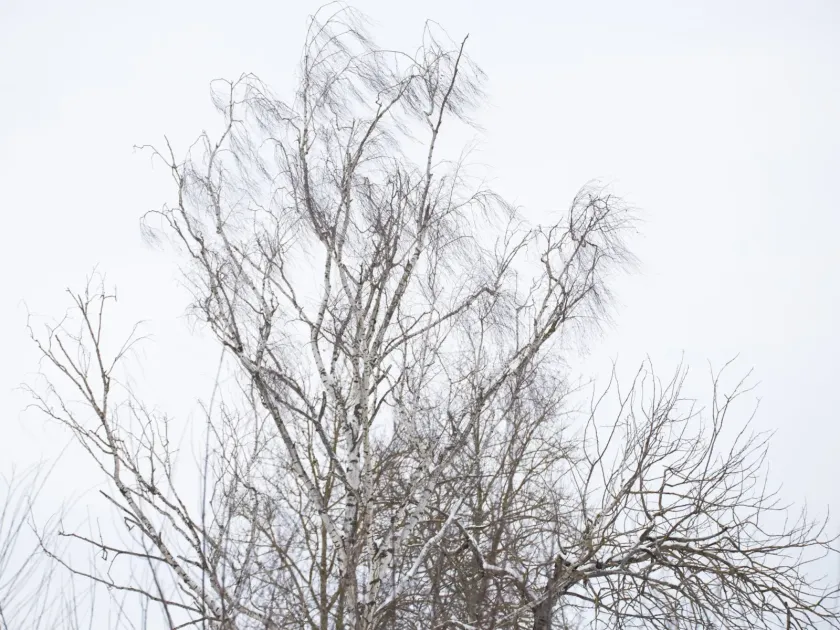
Description
Sowing dates
Sowing silver birch seeds is typically performed in early spring following a period of cold stratification, which is essential to break seed dormancy and ensure uniform germination.
Seeds are broadcast onto prepared seedbeds with light, well-draining soil and covered with a very thin layer of substrate, as they require light to germinate effectively.
Maintaining consistent soil moisture is critical during the initial growth phase, as young seedlings are particularly sensitive to desiccation in their first few weeks.
In forest nurseries, high-quality containerized seedlings are often preferred to ensure better root system development and increased success rates during final outplanting.
Thinning the seedlings is an important agronomic practice to provide adequate space for air circulation and nutrient access, reducing the risk of damping-off diseases.
Growing requirements
The silver birch is a hardy, light-demanding species that thrives in full sun exposure, which is necessary for maintaining its iconic white bark and slender canopy.
It adapts well to various soil types, ranging from sandy loams to rocky soils, though it performs best in slightly acidic, moist, and well-drained environments.
This species is well-known for its excellent cold tolerance and ability to withstand harsh environmental conditions, making it a staple in reforestation projects.
Young trees require irrigation during dry spells to establish a deep root system, which helps them become resilient against wind and water stress as they mature.
Proper site preparation and weed management are essential for the first three years after planting to minimize competition for resources and promote rapid trunk development.
Main diseases and pests
Common pathological issues include various fungal leaf spots and rusts that can affect foliage quality, particularly in humid and poorly ventilated growing conditions.
Decay fungi, such as bracket fungi, often colonize trees through wounds, leading to internal wood rot and potential structural failures in older or stressed specimens.
Insect pests, including various aphids and leaf miners, can cause significant cosmetic and physiological damage by feeding on foliage, which stunts overall tree growth.
The bronze birch borer is a notable pest in some regions, targeting trees that are already suffering from environmental stress or poor site conditions.
An integrated pest management approach, including regular sanitation and targeted applications of bio-fungicides, is recommended to keep stands healthy and productive.
Harvesting
Commercial timber harvest for silver birch is generally scheduled when trees reach technical maturity, typically between 40 to 60 years of age, depending on growth rates.
Silvicultural thinning operations are conducted throughout the tree's lifespan to remove suppressed individuals and encourage the growth of the remaining crop trees.
In addition to timber, the collection of birch sap is a valuable seasonal industry, requiring strict adherence to tapping guidelines to protect tree health and long-term viability.
Non-timber forest products, such as medicinal buds and leaves, are harvested selectively from managed stands to ensure sustainable utilization of the resource.
Effective forestry management concludes with site regeneration, ensuring the next generation of birch trees is established to maintain forest cover and environmental benefits.