ВА
23 August 2011
почему неучтожаются все сорняки



2 offers in 2 stores — from 7.32 € per 1 l.
Available at: Агрозахист · Kurkul
Prices are collected automatically from store websites and converted at the current exchange rate. Check the price and availability on the store website before ordering.
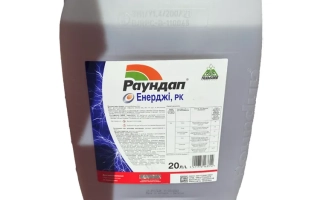
A powerful systemic herbicide with a high concentration of glyphosate for controlling stubborn perennial weeds.
In modern intensive farming, controlling weeds before sowing or during pre-harvest preparation is a top priority. This product from Monsanto is a systemic, non-selective herbicide that has proven effective against the most aggressive weeds, such as couch grass or creeping thistle. Its key advantage for agronomists is the high concentration of potassium salt of glyphosate, ensuring rapid penetration into plant tissues.
The herbicide is supplied as an aqueous solution and requires strict adherence to application protocols. The consumption rate is over 3.0 L/ha, depending on the weed species and their growth stage. Due to its systemic action, the active ingredient quickly moves through the plant's vascular system, blocking amino acid synthesis processes.
It is important to consider the toxicity class (3) and observe the pre-harvest intervals. The minimum waiting period after the final treatment is just 1 day, making this herbicide a flexible tool for managing agricultural operations.
| Last Treatment Interval, Days | 1 |
|---|---|
| By type of action | |
| By Mode of Action | |
| By Application Timing | |
| By application method | |
| Form of the preparation | |
| Application rate | More than 3.0 L/ha |
| Desiccant | |
| Danger Class | 3 |
| Catalog | Catalog → Herbicides, Desiccants |
| Manufacturer | MONSANTO |
| Country | USA |
Herbicides, Desiccants · similar preparations






Often considered together with this product
Products you’ve viewed on this site





Reviews · 1