
Description
How to identify
Bud mites comprise a diverse group of microscopic plant-feeding pests belonging to the family Eriophyidae (four-legged mites). These tiny organisms are characterized by worm-like bodies and only two pairs of legs located at the front of the body.
The group includes various highly specialized species, such as the blackcurrant gall mite (Cecidophyopsis ribis) and the grape leaf blister mite. Due to their size, they are impossible to see with the naked eye, often remaining unnoticed until severe damage has occurred.
Taxonomically, they are part of the order Acariformes. A common trait among these mites is their cryptic lifestyle; they inhabit the interior of buds, bark scales, or galls, which protects them from environmental changes and many traditional pesticides.
Their biology is closely linked to the developmental stages of their host plants. Most species overwinter as adult females deep inside the buds, protected from winter temperatures, and resume activity as soon as the plant starts sap circulation in the spring.
These mites have a rapid life cycle, allowing for multiple generations within a single growing season. They are primarily dispersed by wind currents, visiting insects, or through the movement of infested propagation material during garden maintenance.
What it damages
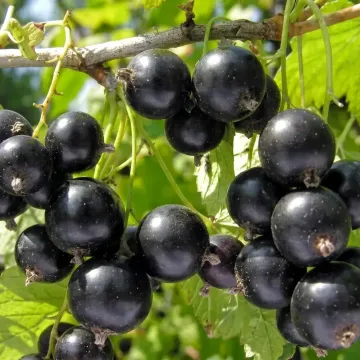
Bud mites infest a wide range of agricultural crops, with berries like blackcurrants and gooseberries, as well as fruits like grapes and apples, being particularly susceptible to heavy infestations.
The primary damage is caused by the mites feeding on the cell sap within developing buds. This disrupts normal plant metabolism, depletes energy reserves, and significantly reduces the overall productivity and yield potential of the infested plant.
Severe infestations lead to the death of buds, premature bud drop, or the development of stunted, deformed shoots. In fruit trees, this can result in leaf distortion and the disruption of proper flower bud formation, impacting future harvests.
Crucially, many bud mites act as vectors for serious plant viruses, such as the blackcurrant reversion virus. In such cases, the mite acts not only as a direct pest but also as a disease carrier that can cause long-term, irreversible damage to entire orchards.
Because the economic threshold for these pests is very low, even a small population can threaten the health of the entire crop. Early intervention is essential to prevent the spread of both the mites and the viruses they may transmit.
Signs of infestation
The most distinctive sign of infestation is the abnormal swelling and rounding of buds, which often resemble small cabbage heads. Thousands of individual mites can reside within a single deformed bud during the peak of the season.
In spring, infested buds may fail to open entirely or produce weak, chlorotic, and malformed shoots. On foliage, damage may appear as leaf curling, puckering, or the formation of specific galls (blisters) on the surface of the leaf blades.
On grapevines, the presence of mites is often indicated by a felt-like, hairy growth on the underside of leaves, which can easily be mistaken for powdery mildew. Apple and pear buds may show browning and drying before they even have a chance to bloom.
Growers should monitor for uneven development across the plant or plantation. If some buds remain closed and distorted while others develop normally, it is a strong indicator of a bud mite infestation requiring further investigation.
Confirmation of the pest presence often requires microscopic analysis of the infested bud tissue. Comparing the growth dynamics of suspected plants with healthy individuals in the same area is a practical field method for assessing the extent of the infestation.
Control measures
An integrated approach is required to effectively manage bud mites. The most critical cultural control method is the pruning and immediate destruction of all infested shoots and buds by burning them to ensure the mites do not escape back into the garden.
Prevention is key: always source planting material from certified, virus-free, and pest-free nurseries. Selecting cultivars with known resistance to specific mite species is the most sustainable way to reduce long-term pest pressure on your farm or garden.
Chemical control is only effective during the brief periods when mites are migrating out of the buds to colonize new plant tissue. Specialized acaricides must be applied during these windows, and it is vital to rotate different chemical classes to prevent resistance.
Biological control agents, such as entomopathogenic fungi, are increasingly used to manage mite populations. These treatments can be very effective under warm and humid conditions, offering an environmentally friendly alternative to synthetic pesticides.
- Remove and destroy all infested plant material (burning recommended).
- Apply sulfur-based treatments during the early spring bud-swell stage.
- Use systemic or contact acaricides precisely during the mite migration window.
- Maintain spatial isolation between infested orchards and new plantings.
- Implement proper fertilization to help plants withstand pest stress.
Content graph
Connections · Bud mite
Most often together:
Marketplace
Products · 225







Community
Discussion
No discussions yet — be the first.