
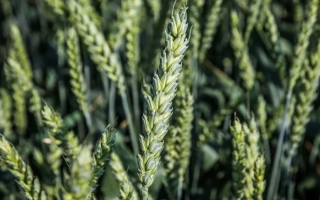

SKU #37570
·
24 views
Rannya 93
Wheat
User rating
0 votes0% positive reviews
No ratings yet — be the first.
Type of Development
Winter wheat
Wheat Type
Soft wheat variety
Plant; height
70-80 cm, 80-90 cm
Seed: mass 1.000 pcs seeds
40-45 grams
Prices in stores
from0.14 €per 1 kg
pack from 0.14 € per 1 kg
2 offers from 2 stores
Store offers · 2 from 2 stores
Prices are updated on loadLoading offers…
Available at: Хаском Трейд · Mirsemyan
Aggregator catalog: prices are collected automatically from store websites, normalized by AI and converted at the current exchange rate. Before ordering, confirm the price and availability on the store's website. This block is not indexed by search engines — the data is loaded after the page opens.
About product

Wheat Rannya 93 — a medium-early, intensive-type variety developed by the Institute of Agronomy of UAAN in 1996. This variety is characterized by high adaptability and is suitable for sowing as well as for "repairing" sparse winter wheat. Rannya 93 is resistant to drought, lodging, major diseases, shattering, and pre-harvest sprouting, making it a reliable choice for cultivation under various clim…
Type of Development
Winter wheat
Wheat Type
Soft wheat variety
Plant; height
70-80 cm, 80-90 cm
Seed: mass 1.000 pcs seeds
40-45 grams
Description
Wheat Rannya 93 — a medium-early, intensive-type variety developed by the Institute of Agronomy of UAAN in 1996. This variety is characterized by high adaptability and is suitable for sowing as well as for "repairing" sparse winter wheat. Rannya 93 is resistant to drought, lodging, major diseases, shattering, and pre-harvest sprouting, making it a reliable choice for cultivation under various climatic conditions. Recommended for the Polissia, Forest-Steppe, and Steppe zones of Ukraine.
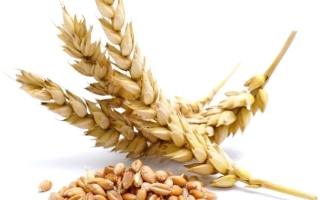
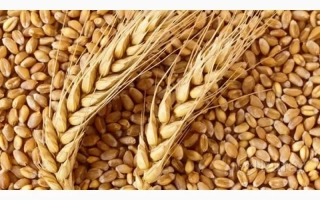
Plants have upright, sturdy stems reaching 70–90 cm in height. The ear is cylindrical, 6–9 cm long, medium density, with 22–25 spikelets per 10 cm of stem. Grains are large, egg-shaped, with 1000-grain weight ranging from 40–45 g. Leaves are green, pubescent with a waxy coating. The potential yield of this variety reaches 6–7 t/ha (60–70 c/ha), while actual yields vary between 36–45 c/ha.
The grain quality is high: protein content ranges from 12–14.2%, crude gluten from 20–30%, flour strength reaches 282–296 standard units. Overall bread-making quality scores between 4.0–8.0 points, and the loaf volume from flour of this variety reaches 1100 cm³. The recommended seeding rate at optimal planting times is 180–200 kg/ha (4.5–5 million viable seeds per hectare); for poorer soils or late planting — 220–250 kg/ha. All these characteristics make Rannya 93 a valuable and sought-after variety for producing high-quality wheat with excellent baking properties.
Plants have upright, sturdy stems reaching 70–90 cm in height. The ear is cylindrical, 6–9 cm long, medium density, with 22–25 spikelets per 10 cm of stem. Grains are large, egg-shaped, with 1000-grain weight ranging from 40–45 g. Leaves are green, pubescent with a waxy coating. The potential yield of this variety reaches 6–7 t/ha (60–70 c/ha), while actual yields vary between 36–45 c/ha.
The grain quality is high: protein content ranges from 12–14.2%, crude gluten from 20–30%, flour strength reaches 282–296 standard units. Overall bread-making quality scores between 4.0–8.0 points, and the loaf volume from flour of this variety reaches 1100 cm³. The recommended seeding rate at optimal planting times is 180–200 kg/ha (4.5–5 million viable seeds per hectare); for poorer soils or late planting — 220–250 kg/ha. All these characteristics make Rannya 93 a valuable and sought-after variety for producing high-quality wheat with excellent baking properties.
Crop & resistance
Crop
Disease resistance
Specifications hover over for a hint about the specification
| Type of Development | |
|---|---|
|
Wheat Type
Wheat Type
Biologically hard wheat differs from soft wheat in its greater demand for soil fertility and agronomic conditions (especially regarding field cleanliness from weeds), lower drought resistance and plasticity, relatively weaker root development, especially nodal roots, and lower ti... |
|
| Plant; height | 70-80 cm, 80-90 cm |
| Seed: mass 1.000 pcs seeds | 40-45 grams |
|
Grain: gluten content
Grain: gluten content
Raw gluten of grain is a hydrated protein and consists of water-insoluble protein fractions, as well as a small amount of starch, fats, and other substances firmly bound by proteins. Since gluten is primarily composed of proteins, its yield and quality depend on the quantity and... |
20-25%, 25-30% |
| Resistance to lodging | |
| Potential Yield | 6-7 tons |
| Number of productive stems per hectare | 4.5-5.0 million pcs |
| Registration year | 1996 |
| Catalog | Catalog → Wheat |
| Legal data |
Show · 1
|
| Country | Ukraine |
Not yet комментариев. Be the first!
Alternatives
Wheat seeds · similar varieties




See also
Often considered together with this variety





Recently viewed
Products you’ve viewed on this site
Reviews · 0