


SKU #59886
·
35 views
PSKOVITYANKA
Wheat
User rating
0 votes0% positive reviews
No ratings yet — be the first.
Type of Development
Spring wheat
Wheat Type
Soft wheat variety
Ostistost'
Ostistaya
Growing Season
80-90 days
About product

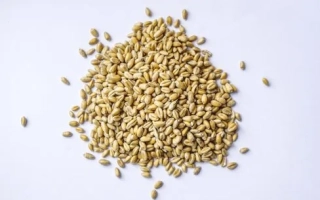
Spelt wheat of the Pskovityanka variety is a medium-late spring variety with a vegetative period of 79-83 days, maturing simultaneously or 2 days later than the Grammé variety. The plant is short, with a semi-erect bush and medium straw thickness, resistant to lodging. The ear is cylindrical, short, dense, and strongly colored, with brown awns equal in length to the ear. The grain is elongated wit…
Type of Development
Spring wheat
Wheat Type
Soft wheat variety
Ostistost'
Ostistaya
Growing Season
80-90 days
Description
Spelt wheat of the Pskovityanka variety is a medium-late spring variety with a vegetative period of 79-83 days, maturing simultaneously or 2 days later than the Grammé variety. The plant is short, with a semi-erect bush and medium straw thickness, resistant to lodging. The ear is cylindrical, short, dense, and strongly colored, with brown awns equal in length to the ear. The grain is elongated with a short awn; the mass of 1000 grains is 38-41 grams. Protein content in the grain is high — from 17.6 to 18.6%, which ensures good culinary qualities of the product. The Pskovityanka variety is distinguished by high yield, which in various cultivation conditions reaches from 16.5 to 26.3 c/ha. The highest yield figures were noted when sowing in the second decade of May with a sowing rate of 5-6 million viable seeds per hectare and application of mineral fertilizers at a rate of N90P90K90. The use of fertilizers and optimal sowing dates contribute to a significant increase in productivity, ensuring an additional yield of up to 5.5 c/ha. Sowing rates also affect yield, but to a lesser extent than agronomic practices and fertilizers. Pskovityanka is recommended for cultivation in various regions, including the Kaluga, Ryazan, Bryansk, and Tula regions. The variety has good resistance to lodging and moderate drought resistance, not inferior to the standard by more than 1 point. A distinguishing feature is the high nutritional value of the grain and good technological properties, which makes this variety attractive for agricultural production and processing.
Crop & resistance
Crop
Specifications hover over for a hint about the specification
| Type of Development | |
|---|---|
|
Wheat Type
Wheat Type
Biologically hard wheat differs from soft wheat in its greater demand for soil fertility and agronomic conditions (especially regarding field cleanliness from weeds), lower drought resistance and plasticity, relatively weaker root development, especially nodal roots, and lower ti... |
|
| Ostistost' | |
| Growing Season | 80-90 days |
| Plant; height | 50-60 cm |
| Seed: mass 1.000 pcs seeds | 35-40 grams |
| Resistance to lodging | |
| Potential Yield | 8-9 tons |
| Number of productive stems per hectare | 5.0-5.5 million pcs |
| Registration year | 2021 |
| Catalog | Catalog → Wheat |
| Legal data |
Show · 7
|
| Country | Russia |
Store offers
Prices are updated on loadLoading offers…
Aggregator catalog: prices are collected automatically from store websites, normalized by AI and converted at the current exchange rate. Before ordering, confirm the price and availability on the store's website. This block is not indexed by search engines — the data is loaded after the page opens.
Not yet комментариев. Be the first!
Alternatives
Wheat seeds · similar varieties





See also
Often considered together with this variety



Recently viewed
Products you’ve viewed on this site
Reviews · 0