


SKU #37021
·
35 views
Wheat Mission Odessa
Wheat
Prices in stores
from0.18 €per 1 kg
pack from 173.78 € per pack
4 offers from 4 stores
Type of Development
Winter wheat
Wheat Type
Soft wheat variety
Growing Season
280-290 days
Plant: height
90-100 cm
Your mark
0 votes
0% positive ratings
Store offers · 4 from 4 stores
4 offers in 4 stores — from 0.18 € per 1 kg.
Available at: 10ki · Агро-Торг · Khaskom · TDA Shop
Prices are collected automatically from store websites and converted at the current exchange rate. Check the price and availability on the store website before ordering.
Description
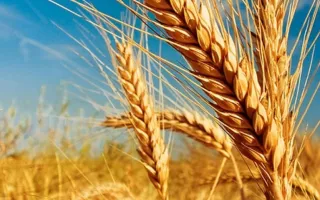
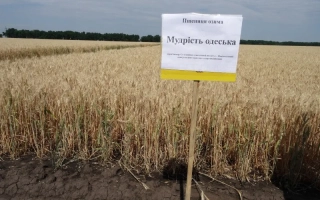
Mission Odessa is a soft winter wheat variety belonging to the erythrospermum group. It is developed for cultivation in the Steppe, Forest-Steppe, and Polesie regions, where it demonstrates high adaptability and stable yields. The vegetation period is 283-287 days, allowing the variety to fully realize its genetic potential under intensive cultivation and high agro-climatic conditions. Its potential yield reaches 115-120 centners per hectare, making it attractive for agricultural producers focused on high productivity.
The morphobiological characteristics of the variety include plant height of 95-104 cm and spike length of 9.2-10 cm, with white color and pyramidal shape. The grain is elongated, with 1000-grain weight varying from 48 to 52 grams. The variety exhibits high resistance to adverse factors: cold tolerance is rated 8-9 points, drought tolerance — 9 points, resistance to major diseases — 4-6 points, and high resistance to grain germination in the spike (8 points).
In addition, the variety is characterized by high grain quality: crude protein content is 13.8-14.1%, gluten — 28-29.5%, and flour strength ranges from 320-376 arbitrary units. The overall bread quality rating reaches 4.6-4.9 points, confirming its suitability for producing high-quality flour and bakery products. Mission Odessa is a reliable choice for farmers aiming to achieve a stable and high-quality yield even under variable climatic conditions and various stress factors.
The morphobiological characteristics of the variety include plant height of 95-104 cm and spike length of 9.2-10 cm, with white color and pyramidal shape. The grain is elongated, with 1000-grain weight varying from 48 to 52 grams. The variety exhibits high resistance to adverse factors: cold tolerance is rated 8-9 points, drought tolerance — 9 points, resistance to major diseases — 4-6 points, and high resistance to grain germination in the spike (8 points).
In addition, the variety is characterized by high grain quality: crude protein content is 13.8-14.1%, gluten — 28-29.5%, and flour strength ranges from 320-376 arbitrary units. The overall bread quality rating reaches 4.6-4.9 points, confirming its suitability for producing high-quality flour and bakery products. Mission Odessa is a reliable choice for farmers aiming to achieve a stable and high-quality yield even under variable climatic conditions and various stress factors.
Crop & resistance
Crop
Disease resistance
Specifications
| Type of Development | |
|---|---|
| Wheat Type | |
| Growing Season | 280-290 days |
| Plant: height | 90-100 cm |
| Seed: mass 1.000 pcs seeds | 45-50 grams |
| Grain: gluten content | 25-30% |
| Winter Hardiness, Ratings (9-1) | 8, 9 |
| Potential Yield | 10-11 tons |
| Registration year | 2009 |
| Catalog | Catalog → Wheat |
| Legal data |
Show · 1
|
| Country | Ukraine |
No reviews yet. Be the first to share your experience.
Alternatives
Wheat seeds · similar varieties





See also
Often considered together with this variety







Recently viewed
Products you’ve viewed on this site
Reviews