


SKU #59406
·
45 views
MAIKOPCHANKA
Wheat
User rating
0 votes0% positive reviews
No ratings yet — be the first.
Type of Development
Winter wheat
Wheat Type
Soft wheat variety
Growing Season
90-100 days
Plant; height
80-90 cm
About product

Mai kopchanka is a soft winter wheat (Triticum aestivum L.) variety of medium-early maturity intended for cultivation in the North Caucasus region, including the Republic of Adygea and the South-Foothills zone of Krasnodar Krai. The plant is of medium height, ranging from 80 to 106 cm, semi-erect with an intermediate bush type. The ear is cylindrical, of medium density and length, and white in col…
Type of Development
Winter wheat
Wheat Type
Soft wheat variety
Growing Season
90-100 days
Plant; height
80-90 cm
Description
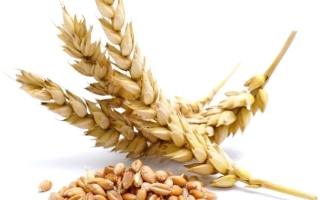
Mai kopchanka is a soft winter wheat (Triticum aestivum L.) variety of medium-early maturity intended for cultivation in the North Caucasus region, including the Republic of Adygea and the South-Foothills zone of Krasnodar Krai. The plant is of medium height, ranging from 80 to 106 cm, semi-erect with an intermediate bush type. The ear is cylindrical, of medium density and length, and white in color. The grain is red, egg-shaped, glassy, and of medium size, with a 1000-grain mass ranging from 34 to 44 grams. The variety belongs to the erythrosum type and is characterized by high drought resistance, heat tolerance, as well as resistance to lodging and snow mold. Mai kopchanka has high winter hardiness, exceeding the average level, and frost resistance comparable to the Don 95 variety. The plant is stable against lodging, which contributes to crop preservation and improved grain quality. The variety demonstrates resistance to a range of diseases, including yellow and brown rust, powdery mildew, ear fusarium, snow mold, and viral infections. However, it is susceptible to ear septoria. Additionally, Mai kopchanka is hardy against pest attacks such as grain flies and wheat grubs. The yield of the variety in the region ranges from 40.1 to 52.1 centners per hectare, making it attractive for agricultural production. The grain of the Mai kopchanka variety is distinguished by high and stable quality, suitable for the food industry and flour production. Baking qualities vary from satisfactory to good, allowing this variety to be used in various grain processing directions. Thanks to its characteristics, Mai kopchanka is a universal variety of the semi-intensive type, combining high productivity with resistance to adverse conditions and diseases.
Crop & resistance
Crop
Disease resistance
Pest resistance
Specifications hover over for a hint about the specification
| Type of Development | |
|---|---|
|
Wheat Type
Wheat Type
Biologically hard wheat differs from soft wheat in its greater demand for soil fertility and agronomic conditions (especially regarding field cleanliness from weeds), lower drought resistance and plasticity, relatively weaker root development, especially nodal roots, and lower ti... |
|
| Growing Season | 90-100 days |
| Plant; height | 80-90 cm |
| Seed: mass 1.000 pcs seeds | 35-40 grams |
| Winter Hardiness, Ratings (9-1) | 7, 8, 9 |
| Resistance to lodging | |
| Potential Yield | 4-5 tons |
| Registration year | 2012 |
| Catalog | Catalog → Wheat |
| Legal data |
Show · 3 |
| Country | Russia |
Store offers
Prices are updated on loadLoading offers…
Aggregator catalog: prices are collected automatically from store websites, normalized by AI and converted at the current exchange rate. Before ordering, confirm the price and availability on the store's website. This block is not indexed by search engines — the data is loaded after the page opens.
Not yet комментариев. Be the first!
Alternatives
Wheat seeds · similar varieties





See also
Often considered together with this variety



Recently viewed
Products you’ve viewed on this site
Reviews · 0