


SKU #59411
·
52 views
Wheat Asket
Wheat
Type of Development
Winter wheat
Wheat Type
Soft wheat variety
Awnedness
Awned
Plant: height
90-100 cm
Your mark
0 votes
0% positive ratings
Store offers · 2 from 2 stores
2 offers in 2 stores — from 0.22 € per 1 kg.
Available at: ДНР РЕД · Транс Агро
Prices are collected automatically from store websites and converted at the current exchange rate. Check the price and availability on the store website before ordering.
Description
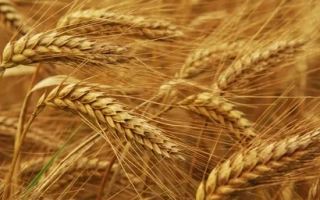
ASCET is a variety of soft winter wheat created through inter-varietal hybridization using the Stanichnaya and Dar Zernograda varieties. It belongs to medium-early and medium-height varieties, with plant heights ranging from 90 to 102 cm. The ear is white, awned, and spindle-shaped; the grain is of medium size with a 1000-grain weight ranging from 35 to 47 g. Grain density is 802-829 g/l, protein content varies from 13.10% to 15.09%, and gluten content ranges from 24.9% to 30.3%. The gliadin genotype formula is 411111x, indicating high-quality grain meeting GOST requirements for valuable wheats.
The variety is characterized by high resistance to lodging and good winter hardiness, which exceeds the average level. It is resistant to brown rust and powdery bunt, moderately resistant to powdery mildew and septoria, while susceptible to solid bunt. ASCET demonstrates high frost resistance, heat tolerance, and drought resistance at the standard level, ensuring stable grain quality and high yield even in dry years. Average yield of the variety in recommended cultivation areas reaches 44.4 c/ha, with a maximum of 82.8 c/ha.
Recommended for cultivation in the North Caucasus region, specifically in the Azov and Southern zones of the Rostov region. Optimal sowing dates correspond to the regional climate conditions, though late sowing is also permitted. The recommended sowing rate is 5.0-5.5 million viable seeds per hectare. Thanks to high ecological plasticity and resistance to adverse factors, the ASCET variety is a reliable choice for obtaining high-quality grain with good milling and baking characteristics.
The variety is characterized by high resistance to lodging and good winter hardiness, which exceeds the average level. It is resistant to brown rust and powdery bunt, moderately resistant to powdery mildew and septoria, while susceptible to solid bunt. ASCET demonstrates high frost resistance, heat tolerance, and drought resistance at the standard level, ensuring stable grain quality and high yield even in dry years. Average yield of the variety in recommended cultivation areas reaches 44.4 c/ha, with a maximum of 82.8 c/ha.
Recommended for cultivation in the North Caucasus region, specifically in the Azov and Southern zones of the Rostov region. Optimal sowing dates correspond to the regional climate conditions, though late sowing is also permitted. The recommended sowing rate is 5.0-5.5 million viable seeds per hectare. Thanks to high ecological plasticity and resistance to adverse factors, the ASCET variety is a reliable choice for obtaining high-quality grain with good milling and baking characteristics.
Crop & resistance
Crop
Disease resistance
Specifications
| Type of Development | |
|---|---|
| Wheat Type | |
| Awnedness | |
| Plant: height | 90-100 cm |
| Seed: mass 1.000 pcs seeds | 35-40 grams |
| Grain: gluten content | 25-30% |
| Resistance to lodging | |
| Potential Yield | 4-5 tons |
| Number of productive stems per hectare | 4.5-5.0 million pcs |
| Registration year | 2011 |
| Catalog | Catalog → Wheat |
| Legal data |
Show · 1
|
| Country | Russia |
No reviews yet. Be the first to share your experience.
Alternatives
Wheat seeds · similar varieties





See also
Often considered together with this variety



Recently viewed
Products you’ve viewed on this site
Reviews