


SKU #59307
·
35 views
Wheat Bazis
Wheat
Prices in stores
No offers yet — stores have not added prices for this product yet.
Similar varieties with prices
-
KAMYSHANKA 4
from 50.15 €
-
 AchimSaaten-Union
from 8.61 €per 1 kg
AchimSaaten-Union
from 8.61 €per 1 kg
-
 Round Vision
from 0.31 €per 1 kg
Round Vision
from 0.31 €per 1 kg
-
 Raduga
from 55.5 €per 1 kg
Raduga
from 55.5 €per 1 kg
Type of Development
Winter wheat
Wheat Type
Soft wheat variety
Growing Season
290-300 days
Seed: mass 1.000 pcs seeds
35-40 grams
Your mark
0 votes
0% positive ratings
About product
Reliable winter wheat variety with high rust resistance and excellent lodging tolerance for secure yields.
Description
Technical Profile: 'Bazis' Winter Wheat
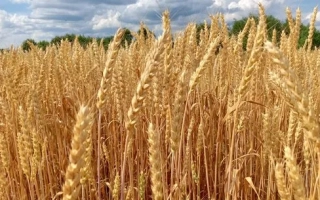
Developed by researchers at the Samara Scientific Center (RAS), 'Bazis' is a soft winter wheat cultivar engineered for stability in high-risk agricultural environments. The core of its genetic design lies in balancing robust defensive mechanisms with a yield potential of 4-5 tons per hectare.
Phytopathological Resistance
The primary advantage of this cultivar is its inherent genetic resistance to wheat rust. For the grower, this translates directly into reduced fungicide reliance during the growing season. Eliminating the need for emergency applications against rust pathogens lowers production costs per ton and reduces the chemical stress exerted on the crop.
Morphological Development and Performance
- Vegetation Period: Spanning 290–300 days, allowing the cultivar to optimize the utilization of winter and spring moisture reserves.
- Structural Integrity: The cultivar exhibits high lodging resistance. This is a critical technical factor during intensive nitrogen fertilization programs, as it ensures minimal mechanical harvesting losses.
- Grain Quality: With a thousand-grain weight (TGW) of 35–40g and gluten content of 20–25%, this wheat provides consistent performance for milling requirements.
The breeding team, led by Svetlana Knyazkova and Alexander Sukhorukov, has focused on delivering a predictable tool for farmers. 'Bazis' does not aim for the records of ultra-intensive varieties but offers a secure result in regions where climatic volatility and disease pressure pose significant operational challenges.
Crop & resistance
Crop
Disease resistance
Specifications
| Type of Development | |
|---|---|
| Wheat Type | |
| Growing Season | 290-300 days |
| Seed: mass 1.000 pcs seeds | 35-40 grams |
| Grain: gluten content | 20-25% |
| Resistance to lodging | |
| Potential Yield | 4-5 tons |
| Registration year | 2018 |
| Catalog | Catalog → Wheat |
| Legal data |
Show · 9
|
| Country | Russia |
No reviews yet. Be the first to share your experience.
Alternatives
Wheat seeds · similar varieties





See also
Often considered together with this variety





Recently viewed
Products you’ve viewed on this site
Reviews