


Prices in stores
from8.61 €per 1 kg
pack from 326.24 € per pack
8 offers from 7 stores
Type of Development
Winter wheat
Wheat Type
Soft wheat variety
Awnedness
Awnless
Growing Season
270-280 days
Your mark
0 votes
0% positive ratings
Store offers · 8 from 7 stores
8 offers in 7 stores — from 8.61 € per 1 kg.
Available at: AgrariyFort · Агрозахист · agrolan-com-ua · Хаском Трейд · Khaskom · Prom-agro · Snpk
Prices are collected automatically from store websites and converted at the current exchange rate. Check the price and availability on the store website before ordering.
Description
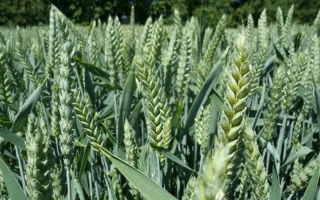
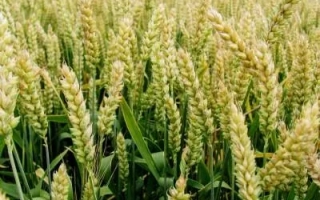
Wheat variety Achim — a mid-late winter wheat without awns, developed by the German company Saaten Union. It is characterized by high drought resistance and winter hardiness, making it particularly suitable for cultivation in the forest-steppe and Polissia climatic zones. Plants reach a height of 70–80 cm, possess intensive bushiness and adaptability to various soil types. The variety is tolerant to powdery mildew, resistant to stem breakage, lodging, and shattering, which contributes to stable and high yields even under adverse weather conditions. Achim has a vegetation period of approximately 270–280 days and optimal sowing rates of 3 to 4 million seeds per hectare, depending on sowing time. The 1000-seed mass varies from 42 to 48 grams. Yield potential reaches 130–138 centners per hectare, confirming the variety’s high productivity. Additionally, protein content in the grain ranges from 11% to 14.5%, and gluten content from 18% to 27.7%, making the wheat suitable for various applications, including feed and food production. A distinctive feature of the variety is its genetically fixed resistance to diseases such as powdery mildew and yellow rust, as well as its ability to germinate from roots. The fibrous root system ensures deep soil penetration, improving plant nutrition and enhancing drought resistance. Sowing is conducted in autumn before frost, allowing the plant to utilize groundwater during active growth, while snow cover protects against freezing. Thanks to these qualities, wheat Achim is a reliable choice for farmers aiming for stable and high yields.
Crop & resistance
Crop
Disease resistance
Specifications
| Type of Development | |
|---|---|
| Wheat Type | |
| Awnedness | |
| Growing Season | 270-280 days |
| Plant: height | 70-80 cm |
| Seed: mass 1.000 pcs seeds | 40-45 grams |
| Grain: gluten content | 20-25% |
| Resistance to lodging | |
| Potential Yield | 9-10 tons |
| Registration year | 2018 |
| Catalog | Catalog → Wheat |
| Manufacturer | Saaten-Union |
| Country | Germany |
No reviews yet. Be the first to share your experience.
Alternatives
Wheat seeds · similar varieties



See also
Often considered together with this variety







Recently viewed
Products you’ve viewed on this site
Reviews