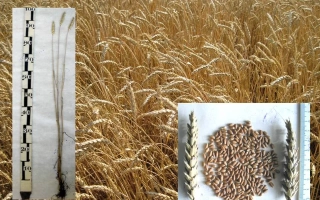
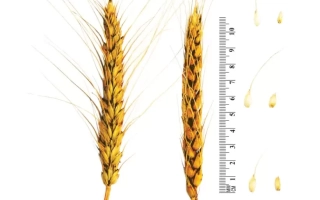
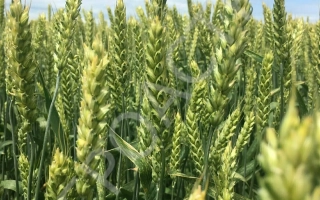
The Lidia variety of soft winter wheat is a mid-early, high-yielding variety created through interspecific hybridization using maternal line 1942/98 and the paternal variety Ermak. It belongs to the erytrospermum type and is characterized by a cylindrical, white, awned ear of medium length, ranging from 6.8 to 9.1 cm, and medium density. The grain of the variety is of medium size, ovoid in shape, red in color with a shallow groove; the mass of 1000 grains is 44-47 g. The plants are of medium height, 75-95 cm, and possess high lodging resistance, which helps preserve the yield and grain quality. Lidia is distinguished by good milling and baking qualities, making it a valuable variety for the baking industry. The variety demonstrates high resistance to brown rust and powdery scab, medium resistance to powdery mildew, and also has an increased level of cold hardiness and drought resistance, ensuring yield stability in complex climatic conditions. The average yield of the variety in competitive trials reached 6.40 t/ha, which exceeds the indicators of the Don 107 variety and other predecessors such as fallow, peas, and sunflower. It is recommended for cultivation in the North Caucasus and Lower Volga regions, including the Rostov region, with optimal sowing times for these zones. The seeding rate is 4.5-5.0 million viable seeds per hectare. The Lidia variety is distinguished by high winter hardiness, lodging resistance, and drought resistance, making it a reliable choice for agricultural producers seeking to obtain high-quality and stable yields of soft winter wheat.