


SKU #66988
·
67 views
Georg
Triticale
Federal Agrarian Scientific Center of the South-EastUser rating
0 votes0% positive reviews
No ratings yet — be the first.
Type
Winter triticale
Plant Height
90-100 cm
Registration year
2022
About product

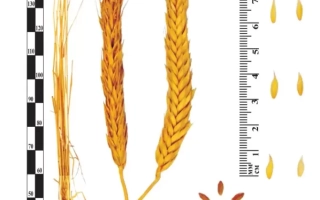
Georg is a winter triticale variety intended for grain use. It is characterized by a medium earing period and medium-high plant height, reaching about 105 cm. The ear is fusiform, dense, and long, with short awns located in the upper half of the ear. The grain is large, elongated, yellow-white in color, and well-filled. The weight of 1000 seeds is approximately 41.5 g. The plant has an intermediat…
Type
Winter triticale
Plant Height
90-100 cm
Registration year
2022
Description
Georg is a winter triticale variety intended for grain use. It is characterized by a medium earing period and medium-high plant height, reaching about 105 cm. The ear is fusiform, dense, and long, with short awns located in the upper half of the ear. The grain is large, elongated, yellow-white in color, and well-filled. The weight of 1000 seeds is approximately 41.5 g. The plant has an intermediate semiprostrate bush type with moderately strong anthocyanin pigmentation of the coleoptile and sparse indumentum of the upper internode. The variety is medium-ripe with autumn sowing and late-ripe with spring sowing, possessing high winter hardiness and drought tolerance. The Georg variety is distinguished by high productive bushiness—about 465 stems per square meter, which significantly exceeds the indicators of standard varieties Zubr and Valentin 90. It is resistant to lodging, confirmed by a rating of 9 points on the stability scale. Grain yield of the variety in competitive trials reached 6.2 t/ha, which is 1.5–1.9 t/ha higher compared to these varieties. Maximum yield was recorded at the level of 83 c/ha in the Republic of Tatarstan. Average yield in the Central region is about 46.3 c/ha, with an increase over the standard of 4.6 c/ha. The variety possesses high feed and baking qualities of grain, with protein content of about 15.0%. It is resistant to diseases, receiving ratings of 8–9 points, which makes it a reliable choice for cultivation in various climatic conditions. Georg was created by interspecific hybridization followed by individual selection, which ensures its unique agronomic characteristics and yield stability. Thanks to its qualities and adaptability, the Georg variety is promising for use in grain production.
Crop & resistance
Disease resistance
Specifications hover over for a hint about the specification
|
Type
Type
Galia (Galia) type — relatively new, of Israeli origin, although there are indications that this variety may originate from Spain. The fruits of this type are round or oval, weighing about 1 kg. The surface is smooth, covered with a delicate, connected netting, turning yellow whe... |
|
|---|---|
| Plant Height | 90-100 cm |
| Registration year | 2022 |
| Catalog | Catalog → Triticale |
| Manufacturer | Federal Agrarian Scientific Center of the South-East |
| Legal data |
Show · 7
|
| Country | Russia |
Store offers
Prices are updated on loadLoading offers…
Aggregator catalog: prices are collected automatically from store websites, normalized by AI and converted at the current exchange rate. Before ordering, confirm the price and availability on the store's website. This block is not indexed by search engines — the data is loaded after the page opens.
Not yet комментариев. Be the first!
Alternatives
Triticale seeds · similar varieties


See also
Often considered together with this variety




Recently viewed
Products you’ve viewed on this site
Reviews · 0