


SKU #47161
·
57 views
Amphidiploid 3
Triticale
User rating
0 votes0% positive reviews
No ratings yet — be the first.
Type
Winter triticale
Plant Height
90-100 cm, 100-110 cm, 110-120 cm, 120-130 cm
Registration year
1986
Prices in stores
from0.2 €per 1 kg
pack from 0.2 € per 1 kg
1 offer from 1 store
Store offers · 1 from 1 stores
Prices are updated on loadLoading offers…
Available at: Ukragropartnyor
Aggregator catalog: prices are collected automatically from store websites, normalized by AI and converted at the current exchange rate. Before ordering, confirm the price and availability on the store's website. This block is not indexed by search engines — the data is loaded after the page opens.
About product

Amphidiploid 3/5 — a winter triticale variety developed by the Institute of Plant Physiology named after V.Ya. Yuryev of NAAN and registered in 2001. This variety belongs to fodder crops intended for cultivation in various climatic zones of Ukraine, including the Steppe, Forest-Steppe, and Polissia. Triticale Amphidiploid 3/5 is characterized by a medium-late maturity with a vegetation period rang…
Type
Winter triticale
Plant Height
90-100 cm, 100-110 cm, 110-120 cm, 120-130 cm
Registration year
1986
Description
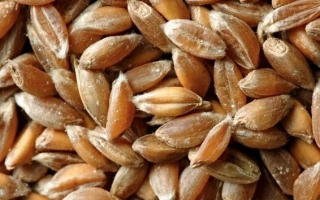
Amphidiploid 3/5 — a winter triticale variety developed by the Institute of Plant Physiology named after V.Ya. Yuryev of NAAN and registered in 2001. This variety belongs to fodder crops intended for cultivation in various climatic zones of Ukraine, including the Steppe, Forest-Steppe, and Polissia. Triticale Amphidiploid 3/5 is characterized by a medium-late maturity with a vegetation period ranging from 278 to 289 days and plant height from 90 to 130 cm. The variety exhibits high winter hardiness (8.0–8.5 points) and drought resistance, ensuring stable productivity under adverse weather conditions. Triticale is an allopolyploid crop obtained by doubling chromosomes in a wheat-rye hybrid, which allows combining the best traits of both species. Amphidiploid 3/5 belongs to hexaploid varieties, which possess high yield potential, improved biochemical and technological grain characteristics, including increased protein (13.5%) and lysine content. The potential grain yield reaches 10 tons per hectare, and green mass yield — up to 60 tons per hectare. Grain and green mass quality are high, making the variety in demand for feed and technical purposes, including the production of alcohol with an output of 460 liters per ton of meal. To achieve maximum productivity, it is recommended to follow optimal sowing dates — from September 5 to 25, as well as seeding rates from 3 to 4.5 million germinating seeds per hectare, depending on conditions and preceding crops. In the Polissia region of Ukraine, an intensive cultivation technology has been developed and implemented, utilizing effective fertilizer and plant protection systems, enabling the realization of the variety’s biological potential and increasing yield by 0.9–1.3 tons per hectare. Amphidiploid 3/5 is not demanding in terms of soil type and preceding crops, facilitating its use in various agrotechnical systems.
Crop & resistance
Disease resistance
Specifications hover over for a hint about the specification
|
Type
Type
Galia (Galia) type — relatively new, of Israeli origin, although there are indications that this variety may originate from Spain. The fruits of this type are round or oval, weighing about 1 kg. The surface is smooth, covered with a delicate, connected netting, turning yellow whe... |
|
|---|---|
| Plant Height | 90-100 cm, 100-110 cm, 110-120 cm, 120-130 cm |
| Registration year | 1986 |
| Catalog | Catalog → Triticale |
| Legal data |
Show · 1
|
| Country | Ukraine |
Not yet комментариев. Be the first!
Alternatives
Triticale seeds · similar varieties


See also
Often considered together with this variety


Recently viewed
Products you’ve viewed on this site
Reviews · 0