


SKU #67083
·
50 views
PRORYV
Triticale
User rating
0 votes0% positive reviews
No ratings yet — be the first.
Type
Winter triticale
Plant Height
90-100 cm
Registration year
2004
About product

PRORYV is a winter triticale variety, a hybrid of rye and wheat, developed to obtain a highly productive and resistant cereal crop. This variety is characterized by a medium maturation period and a vegetative period ranging from 222 to 281 days. The plants reach a height of 70 to 115 cm, possess high winter hardiness and lodging resistance, ensuring yield stability in the complex climatic conditio…
Type
Winter triticale
Plant Height
90-100 cm
Registration year
2004
Description
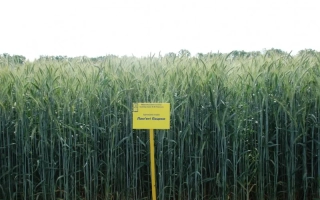
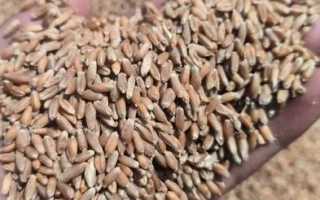
PRORYV is a winter triticale variety, a hybrid of rye and wheat, developed to obtain a highly productive and resistant cereal crop. This variety is characterized by a medium maturation period and a vegetative period ranging from 222 to 281 days. The plants reach a height of 70 to 115 cm, possess high winter hardiness and lodging resistance, ensuring yield stability in the complex climatic conditions of the North Caucasus region. The ear of the variety is cylindrical, slightly pigmented, of medium length and density, fully awned, while the grain is light red in color, of medium size and semi-elongated shape, with a 1000-grain mass ranging from 39.0 to 47.2 grams.
Triticale PRORYV is distinguished by high yield, which on average reaches 47.5 centners per hectare in the growing region. Thanks to its genetic basis, this variety has an increased protein content in the grain — from 13 to 18 %, with a complete amino acid composition, making it valuable both for fodder purposes and grain production. The crop is immune to many fungal diseases, has high winter hardiness and is not demanding regarding soil-climatic conditions, allowing for successful cultivation on various soil types.
The main application of triticale PRORYV is its use in agriculture as a grain and fodder crop. Grain and green mass of triticale are widely used for feeding livestock, while the green mass is suitable for silage. Breadmaking use of triticale is limited due to the specific color of the crumb and sweetish aftertaste, however its fodder qualities and high productivity make the variety in demand among agrarians seeking to improve the efficiency of feed and grain production.
Triticale PRORYV is distinguished by high yield, which on average reaches 47.5 centners per hectare in the growing region. Thanks to its genetic basis, this variety has an increased protein content in the grain — from 13 to 18 %, with a complete amino acid composition, making it valuable both for fodder purposes and grain production. The crop is immune to many fungal diseases, has high winter hardiness and is not demanding regarding soil-climatic conditions, allowing for successful cultivation on various soil types.
The main application of triticale PRORYV is its use in agriculture as a grain and fodder crop. Grain and green mass of triticale are widely used for feeding livestock, while the green mass is suitable for silage. Breadmaking use of triticale is limited due to the specific color of the crumb and sweetish aftertaste, however its fodder qualities and high productivity make the variety in demand among agrarians seeking to improve the efficiency of feed and grain production.
Crop & resistance
Disease resistance
Specifications hover over for a hint about the specification
|
Type
Type
Galia (Galia) type — relatively new, of Israeli origin, although there are indications that this variety may originate from Spain. The fruits of this type are round or oval, weighing about 1 kg. The surface is smooth, covered with a delicate, connected netting, turning yellow whe... |
|
|---|---|
| Plant Height | 90-100 cm |
| Registration year | 2004 |
| Catalog | Catalog → Triticale |
| Legal data |
Show · 1 |
| Country | Russia |
Store offers
Prices are updated on loadLoading offers…
Aggregator catalog: prices are collected automatically from store websites, normalized by AI and converted at the current exchange rate. Before ordering, confirm the price and availability on the store's website. This block is not indexed by search engines — the data is loaded after the page opens.
Not yet комментариев. Be the first!
Alternatives
Triticale seeds · similar varieties




See also
Often considered together with this variety



Recently viewed
Products you’ve viewed on this site
Reviews · 0